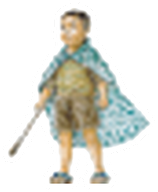
Showa Expo

Where a town's memories meet the stories of the dolls.
Showa Expo is an exhibition concept that presents Japan in the Showa 30s (1955–1964) through seven themes that follow the course of a human life, from birth to death, with handmade dolls from Showa no Kodomotachi (Children of the Showa Era) placed in each.
By combining the dolls with cultural properties and local history materials treasured by communities and companies, it creates a place where people of all generations can talk together about daily life in the Showa 30s, remembered as an era with a human face.
We welcome inquiries for projects marking the 100th anniversary of the Showa era, for special events looking back on the Showa era, and for special exhibitions with a Showa retro (Showa-era nostalgia) theme.
Like the Display Lease, this is intended for facilities, but it is not a monthly lease: each exhibition is planned individually to suit the venue and schedule.
Mark the Showa Centennial with a Showa Expo.
The year 2026 (Reiwa 8) marks a full 100 years since the first year of Showa (1926), and the Japanese government is promoting “Showa 100” initiatives (Cabinet Secretariat “Showa 100” portal site, in Japanese).
Consider a Showa Expo for your Showa centennial project. We plan it as a commemorative exhibition for municipalities, museums and cultural facilities, tailored to your venue and schedule.
Seven Themes
- 01Daily Life and Nature
- 02Seasonal Festivals and Customs
- 03Rites of Passage
- 04Work
- 05Peace and Well-Being
- 06Skill, Ingenuity and Wisdom
- 07Children
Two Approaches
-
 Approach 1
Dolls × Local Cultural Properties and Historical Materials
Showa no Kodomotachi dolls are displayed alongside cultural properties and local historical materials held by municipalities or companies.
-
 Approach 2
Dioramas × Photographs from the Showa 30s
Dolls displayed against dioramas are combined with related photographs taken in the Showa 30s.
Photos are from past exhibitions, not from a Showa Expo.
What We Hope Visitors Take Home
- A chance to reflect anew on life and the way we live
- An opportunity for lifelong learning
- A fresh look at local history and personal roots
- Time to talk together across generations and genders
- A rediscovery of the things and traditions worth passing on to the next generation
Suggested Venues
Past Exhibitions at Commemorative Events
- 2000
- The Showa no Kodomotachi Exhibition at the Edo-Tokyo Museum, a co-sponsored event of the Tokyo 2000 Festival. It was the museum's first exhibition devoted to a living artist.
- 2007
- The Showa no Kodomotachi Exhibition commemorating the establishment of Showa Day, organized by the City of Hachioji with the support of the Cabinet Office.
Both were Showa no Kodomotachi doll exhibitions, not Showa Expo events. Our Case Studies introduce doll exhibitions held with municipalities and other partners.
FAQ
What kind of project is Showa Expo?
Showa Expo is an exhibition concept that presents Japan in the Showa 30s (1955–1964) through seven themes that follow the course of a human life from birth to death: Daily Life and Nature; Seasonal Festivals and Customs; Rites of Passage; Work; Peace and Well-Being; Skill, Ingenuity and Wisdom; and Children. Showa no Kodomotachi dolls are placed in each section and displayed together with cultural properties and local history materials long cherished by communities and companies, and with photographs taken in the Showa 30s.
Can it be held as part of a Showa centennial commemoration?
Yes. We can plan it to suit your venue and schedule, as an exhibition for a project marking the 100th anniversary of the Showa era or for special events looking back on the Showa era. The year 2026 (Reiwa 8) marks a full 100 years since the first year of Showa (1926).
What kinds of venues can host it?
We have in mind municipal history museums, local history museums and other museums, large leisure and cultural facilities, and new community gathering places such as redevelopment areas.
How is it different from the Monthly Display Lease?
The Monthly Display Lease is a service that delivers dolls or photo panels to your facility, with a different work each month. Showa Expo is separate from the monthly lease: each exhibition is planned individually to suit the venue and schedule.
Have the works been shown at commemorative events before?
Showa no Kodomotachi doll exhibitions were held at the Edo-Tokyo Museum in 2000, as a co-sponsored event of the Tokyo 2000 Festival, and in 2007, to commemorate the establishment of Showa Day, organized by the City of Hachioji with the support of the Cabinet Office. Both were doll exhibitions, not Showa Expo events. For details, see our Case Studies.
Contact
We would love
to hear from you.
Hosting an exhibition, a display lease for your facility, licensing the works, or stocking our photo books and postcards—one form covers every inquiry.