For facilities and businessesMonthly Rotating Doll Display

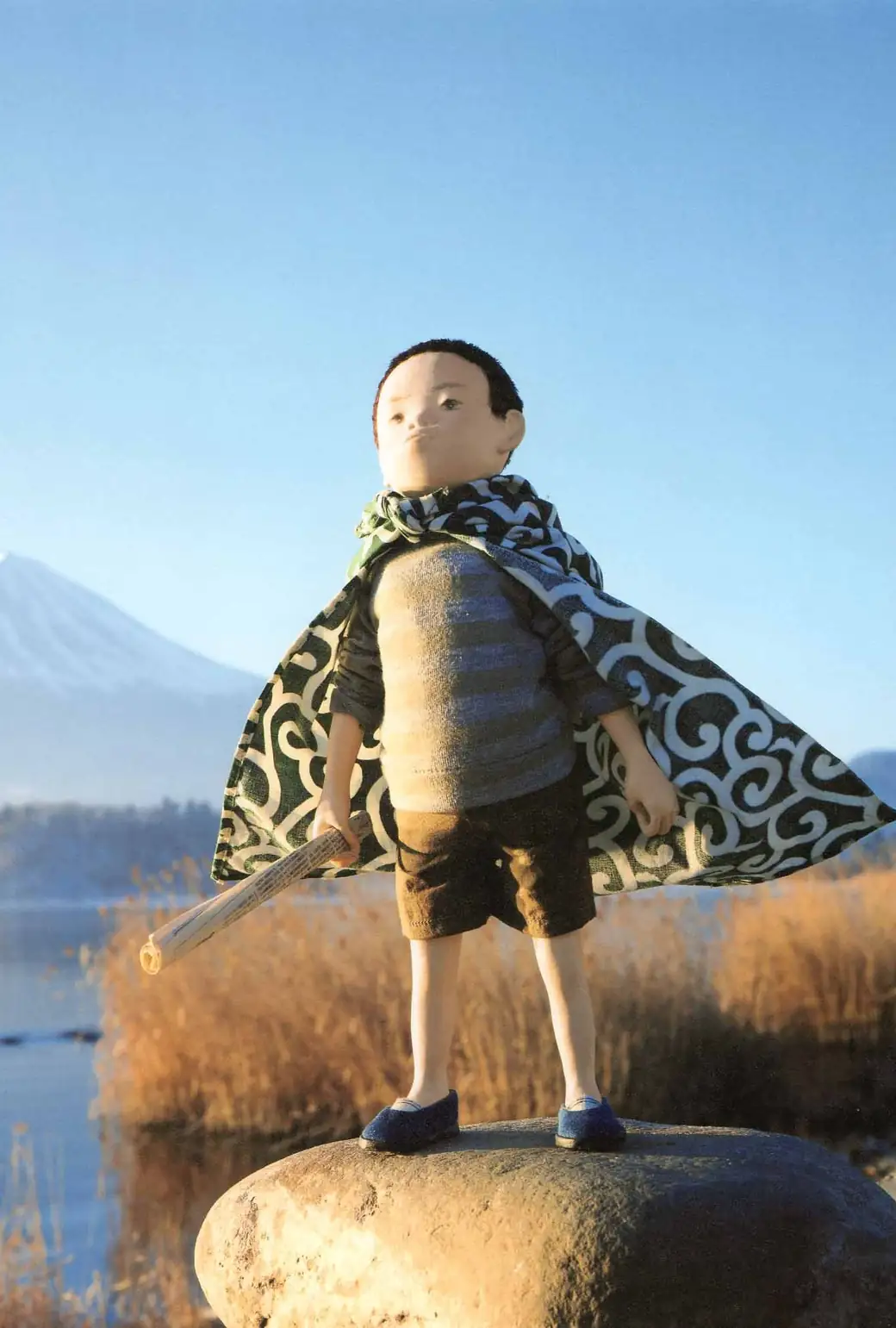
A doll of a boy wearing an arabesque-patterned cape against Mt. Fuji and a blue sky (the work “Little Rascal (Wanpaku)”)

For facilities and businesses Monthly Rotating Doll Display

34 stories,
one each month.

Handmade dolls by doll artist Ishii Michiko: Showa no Kodomotachi.
Each month we bring your facility one work from a selection of 34,
and our staff change the display for you.

We explain the service online or in person.
When we visit, we can also bring a real doll with us.

The work “Little Rascal (Wanpaku)”
This is a photograph of the work.
At your facility, the dolls are displayed in a clear acrylic case.

About Showa no Kodomotachi

Showa no Kodomotachi (Children of the Showa Era) is a body of work in which doll artist Ishii Michiko traced her memories of being a child in the Showa 30s (1955–1964) and recreated those scenes with dolls and dioramas.

The works are in two parts: Part 1, “Hometown (Furusato),” about people living in the countryside, and Part 2, “People of the Sea (Umi no Hito),” about people who live by the sea.

Every doll has its own face, full of life.
In every scene, a nameless someone lives one very real day.

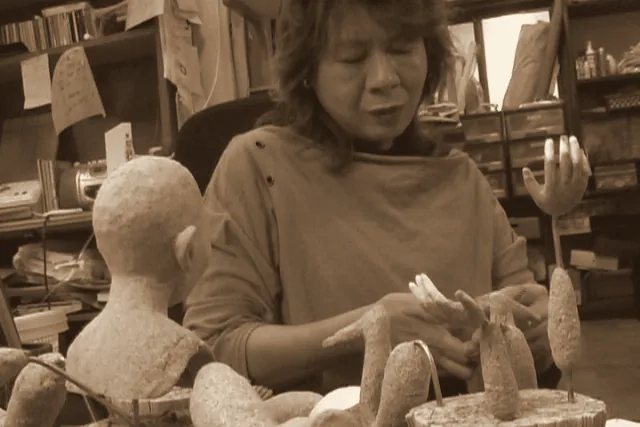
Doll artist Ishii Michiko working on the model of a doll
Ishii Michiko at work

Prefectures where exhibitions have been held

34/47prefectures

Map of Japan

Dolls that have been seen
by many people at exhibitions across Japan.

  • 64 titles / 332 figures

    All of Showa no Kodomotachi (Part 1 Hometown, Part 2 People of the Sea)

  • 100+ venues

    Places where exhibitions have been held (across Japan)

  • 1,500,000+

    Total visitors to the exhibitions

What makes Showa no Kodomotachi special

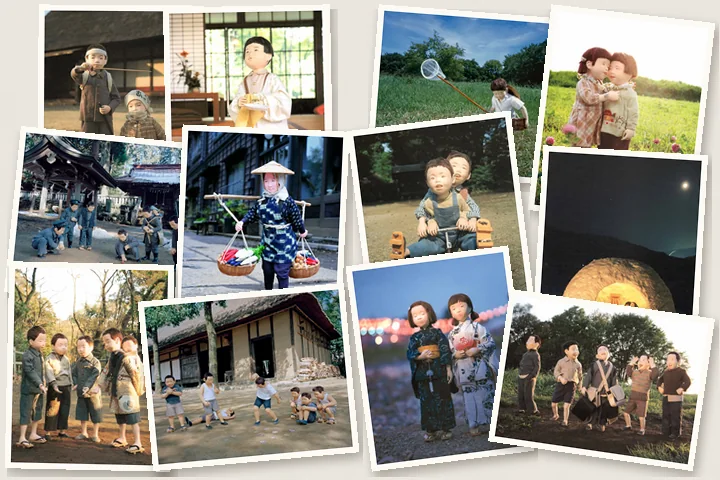
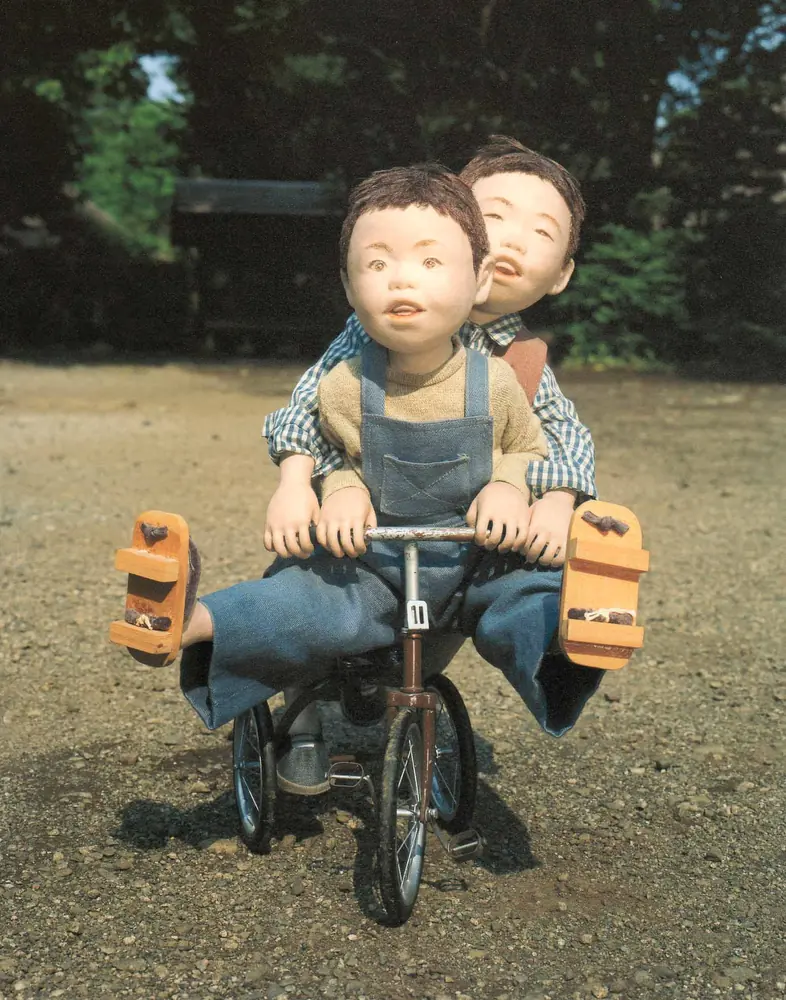
  • Prints of photos of doll works such as “The Temple Fair (Ennichi),” “The Snow Hut (Kamakura)” and “The Tricycle (Sanrinsha)”

    64 titles / 332 figures

    Every doll has a face of its own

    The doll works form Part 1, “Hometown (Furusato),” and Part 2, “People of the Sea (Umi no Hito),” with 64 titles and 332 figures in all. Every figure has a different expression, and every work is one of a kind. Each doll was handmade, one by one, by doll artist Ishii Michiko. Work on Part 2, “People of the Sea,” began in 2011 and was completed in 2016.

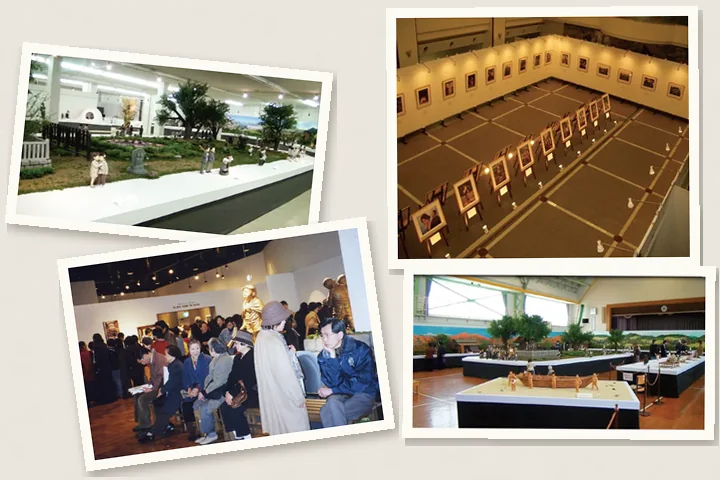
  • Photos of exhibitions held in museums, gymnasiums, empty shops and other venues

    Shown at more than 100 venues across Japan

    More than 1.5 million visitors

    Exhibitions of Showa no Kodomotachi, which depicts life in the Showa 30s with dolls and dioramas, have been held at more than 100 venues across Japan. Venues have included museums, art museums, department stores and local government events. The works have been shown at an event at Nagoya Dome and at the Hamada Children's Museum of Art. In total, more than 1.5 million people have visited, and we have received many moving comments.

  • A diorama of houses and cherry trees with dolls, spreading across a gallery of the Edo-Tokyo Museum

    2000 Edo-Tokyo Museum

    The museum's first exhibition of a living artist

    The Showa no Kodomotachi Doll Exhibition was held at the Edo-Tokyo Museum as a co-sponsored event of the “Tokyo 2000 Festival.” The 380-tsubo (about 1,250 m²) hall recreated the world of the Showa era, with full-scale sets of the Showa 30s and Showa no Kodomotachi bronzes.

  • A full-scale set recreating a sweet shop of the Showa 30s (exhibition at the Edo-Tokyo Museum)

    A pioneer of the Showa boom

    Long before today's Showa retro trend

    Ishii Michiko held her first solo exhibition in 1993, and from 1995 requests for exhibitions came from all over Japan. Her exhibitions across the country, starting with the 2000 exhibition at the Edo-Tokyo Museum, are said to be one of the sparks of the Showa 30s boom and the origin of the Showa boom.

  • Dioramas and dolls displayed in an elementary school gymnasium (Minamiuonuma, Niigata; marking the school's closure)

    Chosen for public commemorative projects

    For local celebrations and projects

    The works have been shown at events such as the 2007 project commemorating the establishment of Showa Day (organized by Hachioji City with the support of the Cabinet Office), the closing of an elementary school in Minamiuonuma, Niigata, and the “Rediscovering Richness of the Heart Project” in Ono, Fukui.

  • A diorama of trees and houses with dolls, spreading across a large gallery

    Dioramas

    Scenes of the Showa era in dolls and dioramas

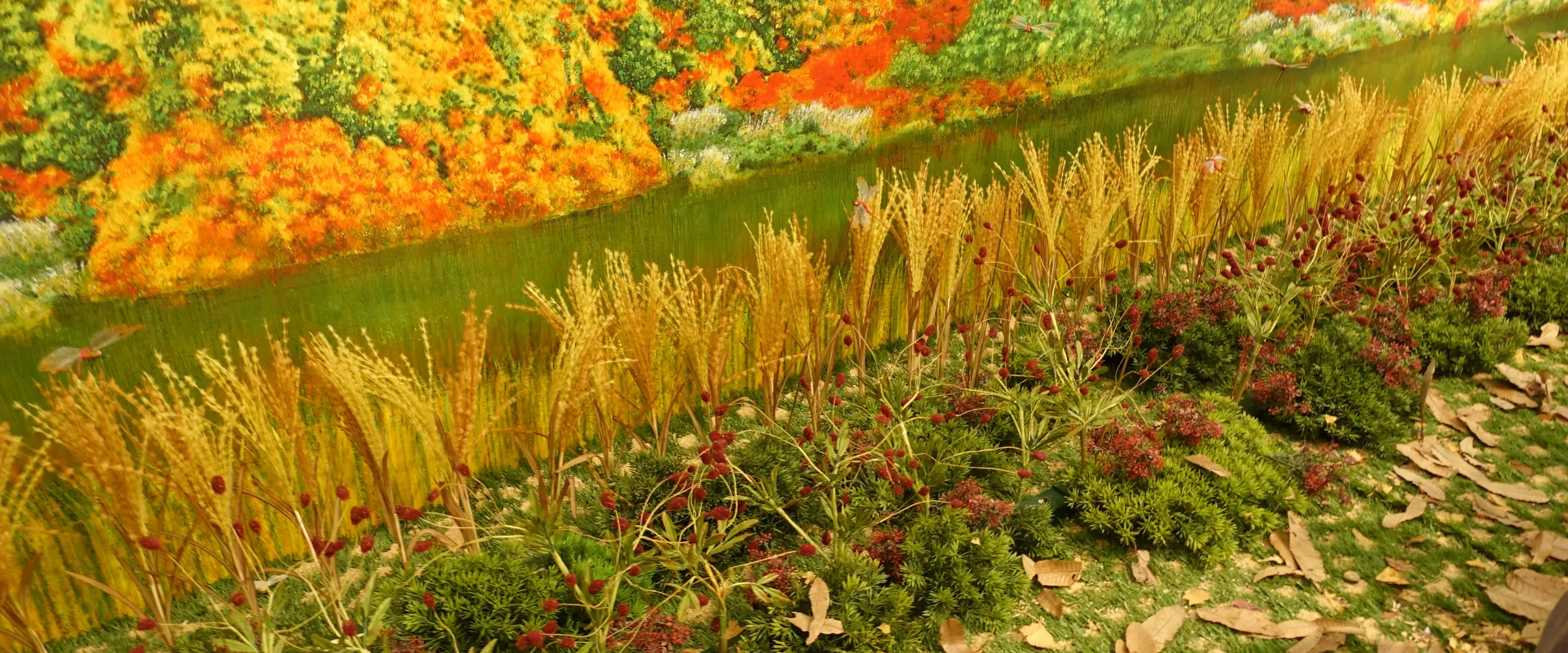
    At exhibitions, the dolls are set among dioramas and backdrops of the four seasons made and supervised by the artist, Ishii Michiko. From the trees and houses, shrine and lotus pond of “Hometown,” about people living in the countryside, to the seaside life of “People of the Sea.” The dioramas are built at roughly one-quarter scale, so finely made to match the world of the works that they look real.

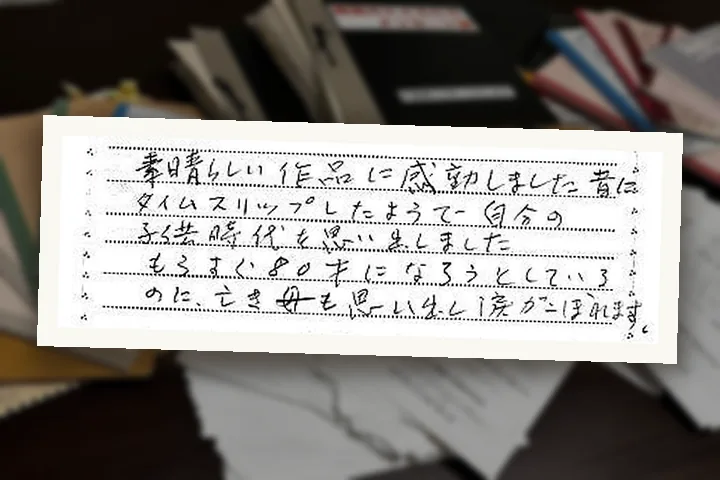
  • A handwritten comment sent in by a visitor

    Visitors' voices

    Dozens of boxes of comments and letters

    At the exhibitions, some visitors are moved to tears as they recall their own childhood or their mothers, while others chat with friends about the old days as they look at the dolls. Over the years, the letters of thanks and comments we have received would fill dozens of cardboard boxes. The images show some of the handwritten comments sent to us (in Japanese).

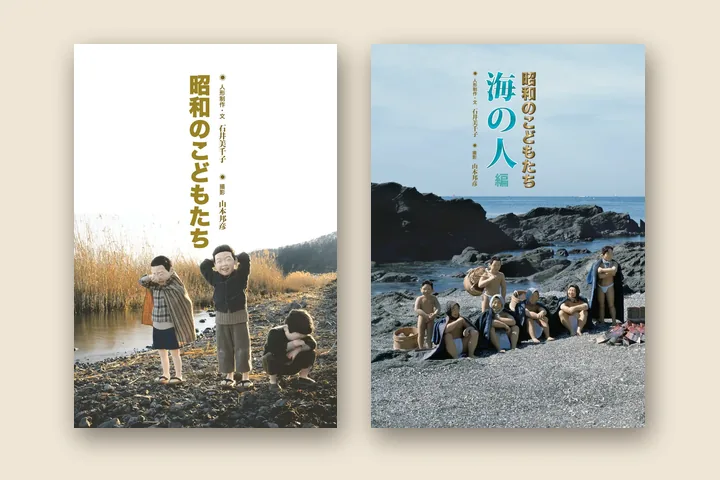
  • Covers of the photo books “Photo Story: Showa no Kodomotachi,” Part 1 Hometown and Part 2 People of the Sea

    Carefully made photo books

    200,000 copies sold in the series

    “Photo Story: Showa no Kodomotachi” is a series of photo books of scenes from the Showa 30s, shot with the dolls placed in real locations and finished with high-definition printing. There are two volumes: “Hometown,” about people living in the countryside (62 pages), and “People of the Sea,” about people who live by the sea (68 pages, including four works on gatefold pages). Photography by Yamamoto Kunihiko. Each work comes with a short story written by Ishii Michiko.

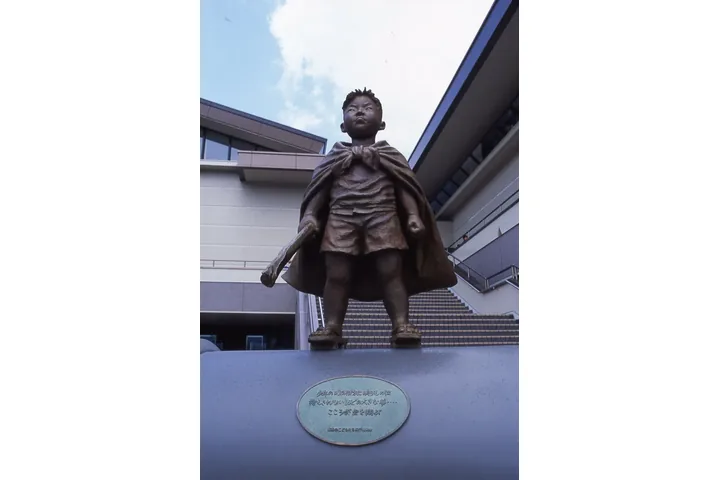
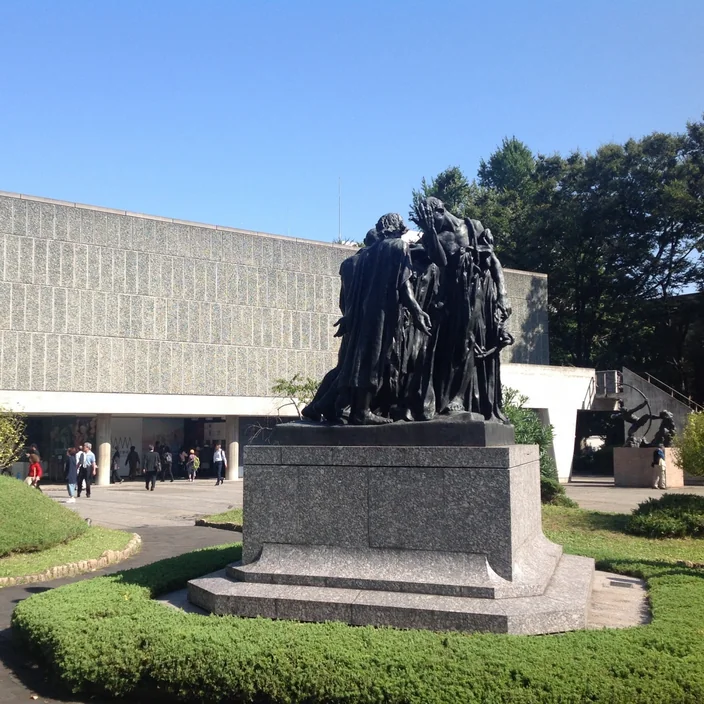
  • Bronze statue of a boy in a cape, standing on a pedestal in front of a building

    Bronze sculptures

    Showa children standing in town

    Bronze sculptures based on the dolls stand at public facilities and other places. The works made in bronze are “Crybaby (Nakimushi),” “The Quarrel (Kenka),” “Who Goes Farthest? (Tobashikko),” “Peeking Between the Legs (Matanozoki)” and “Little Rascal (Wanpaku).” In places where local people come and go, the bronze children quietly bring a sense of nostalgia to those who see them. They come in life size and one-quarter scale, and are made to order.

  • A newspaper article featuring Showa no Kodomotachi (blurred)Newspaper

    In the media

    Newspapers, magazines and TV

    Whenever exhibitions were held, the works were widely covered by newspapers across Japan and featured on TV news. They have appeared in magazines such as “Ginka,” “Seiryu” and “Serai,” including on a magazine cover. They have also been introduced on radio programs and in web articles, and featured in live TV broadcasts. They were used in a TV commercial for Iwatani Corporation, and once appeared in hanging advertisements inside Kintetsu trains.

How it works

Our staff come to install the display
and change it every month.

The dolls of Showa no Kodomotachi, each one handmade by doll artist Ishii Michiko, are displayed in a clear acrylic case. Our staff come to install the first display, and after that we replace it with a different work every month. Each doll is one of a kind; no reproductions exist.

What we do, and what we ask of your facility

PLAN 01

Monthly Rotating Doll Display

Our staff come to install the display and change it every month

  • One work a month, chosen from 34
  • Installation and changeovers by our staff
  • Minimum term: one year
  1. 01Preparation

    Us

    Supplying the acrylic case

    The cost of the case is charged as an initial fee. The case becomes the property of your facility, and we will collect it if you no longer need it.

    Your facility

    A stand (base) for the case

    The case is approx. 90 cm wide × 55–58 cm deep. An ordinary office desk is just the right size. Even a plain office desk becomes a display base when wrapped in cloth.

    • An ordinary office desk
    • Wrapped in cloth

    A place for the display

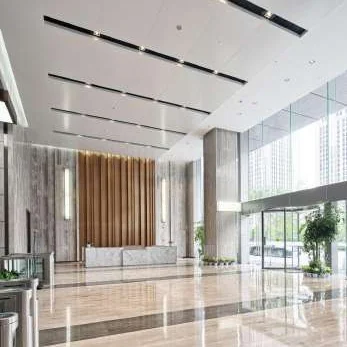
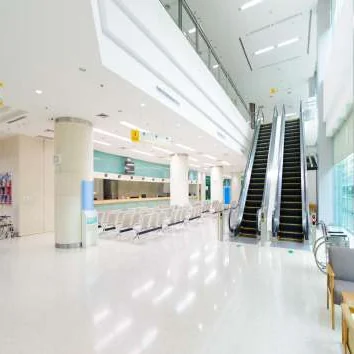
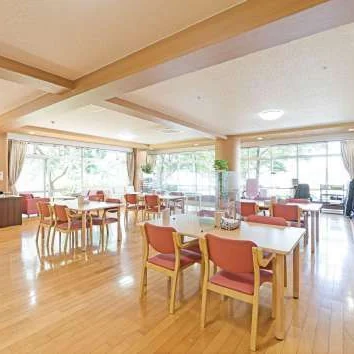
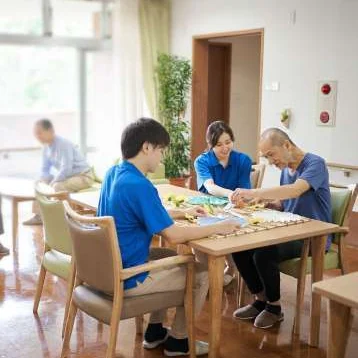
    We recommend entrances, lobbies, day rooms and similar spaces.

  2. 02First installation

    Us

    Installing the first display and explaining how to look after it

    Installation is included in the fee.

    • The display

    Your facility

    Being present at the first installation

  3. 03Every month

    Us

    Changing the work

    The changeover date is not fixed to the same day each month and may vary by two or three days.

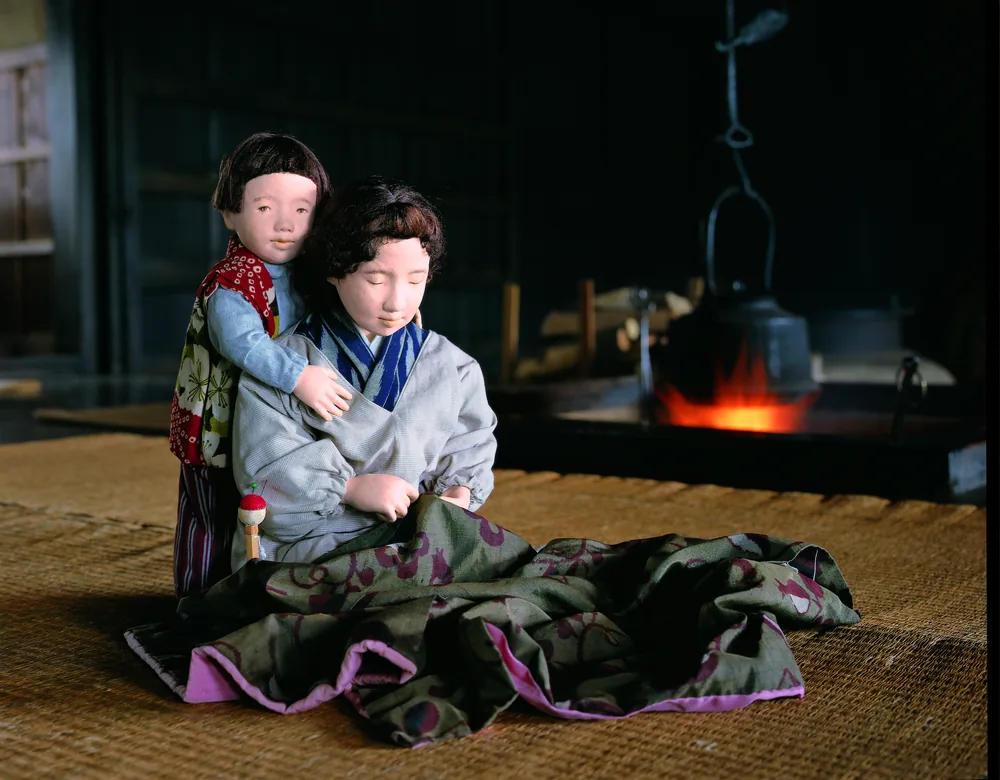
    • Piecework at Home (Naishoku)
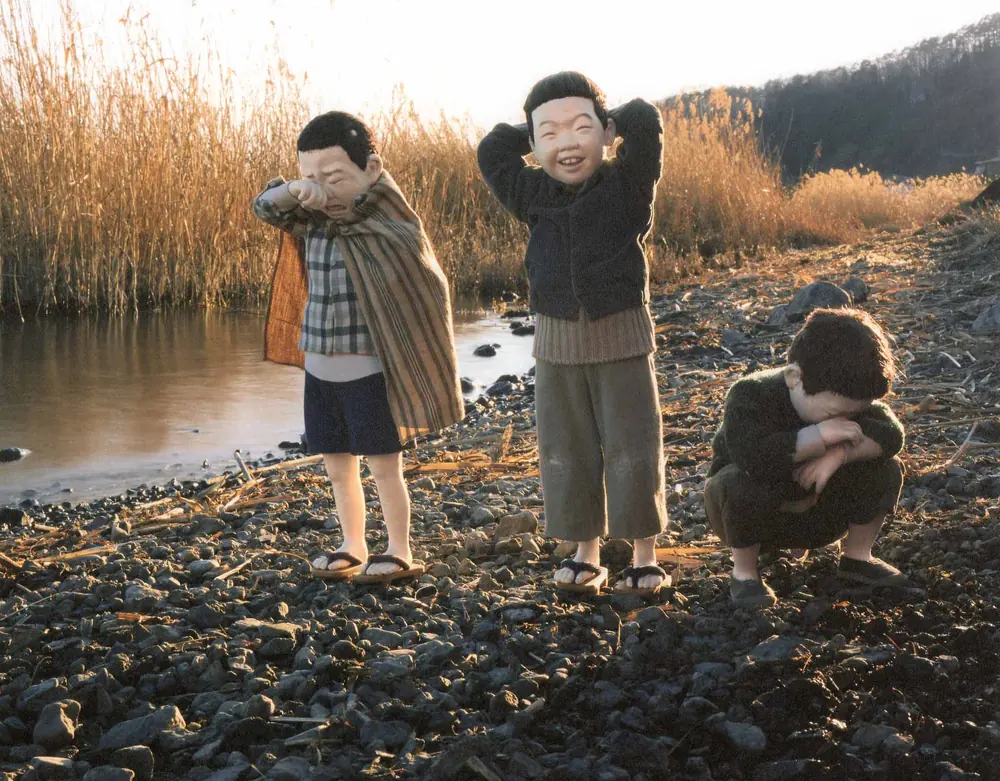
    • The Quarrel (Kenka)
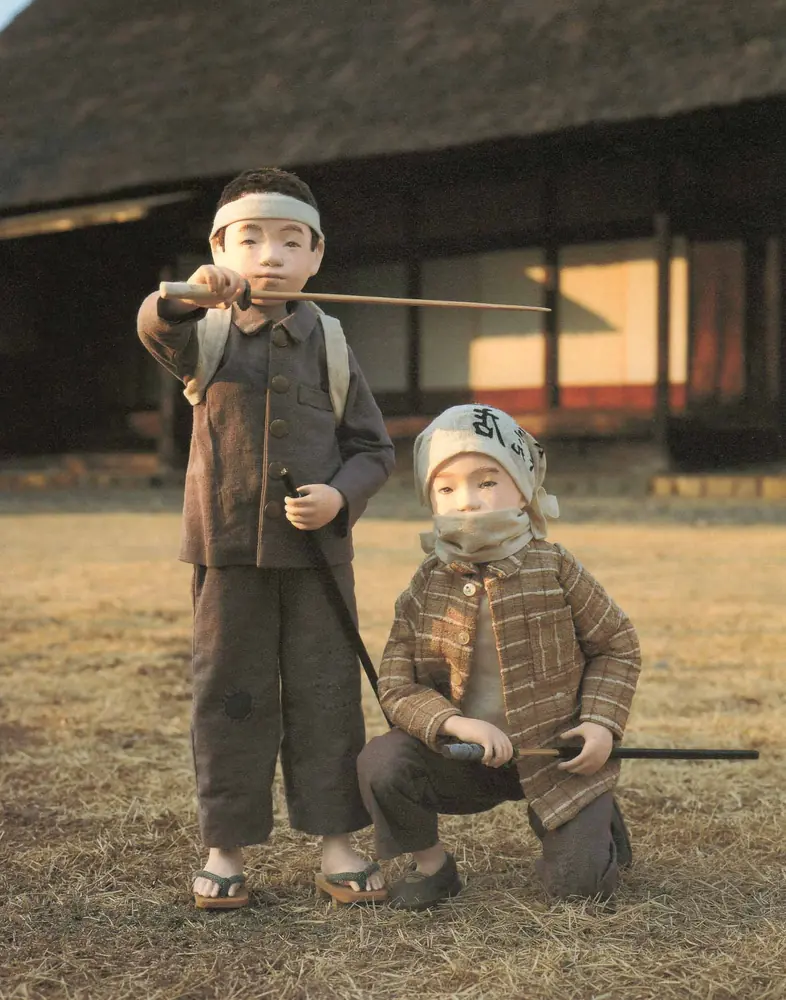
    • Sword Fight Play (Chanbara)
  4. 04During the contract

    Us

    Insurance against accidental damage

    Included in the fee.

For the first month only, an initial fee (the cost of the acrylic case, about ¥80,000) is charged in addition to the monthly fee.
For facilities outside the Tokyo area, we may need to discuss travel costs for installation separately.

For example, in a hotel lobby.An image of the display placed in a hotel lobby (composite photo). The dolls in the case are a photo of the work “On the Way Home from School (Gakko Gaeri).”

Examples of where the display can go

  • Companies
  • Hospitals and clinics
  • Senior care facilities
  • Day care services
  • Public facilities
  • Children's homes
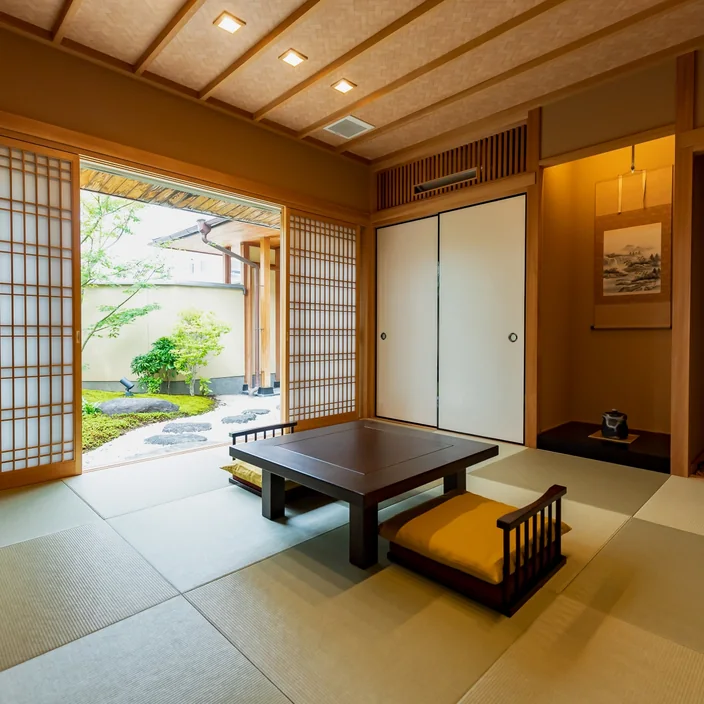
  • Hotels and ryokan inns
  • Art museums
  • History museums
  • Local history museums

34 stories

A different scene arrives every month.

Each month we bring you one work from the 34 standard works. Each work has 1 to 5 dolls. If you continue your contract, you can enjoy a different work every month for about three years. We select the works and the order in which they are shown.

For example, in the first year

These are examples. We select the works and their order.

  • Month 1
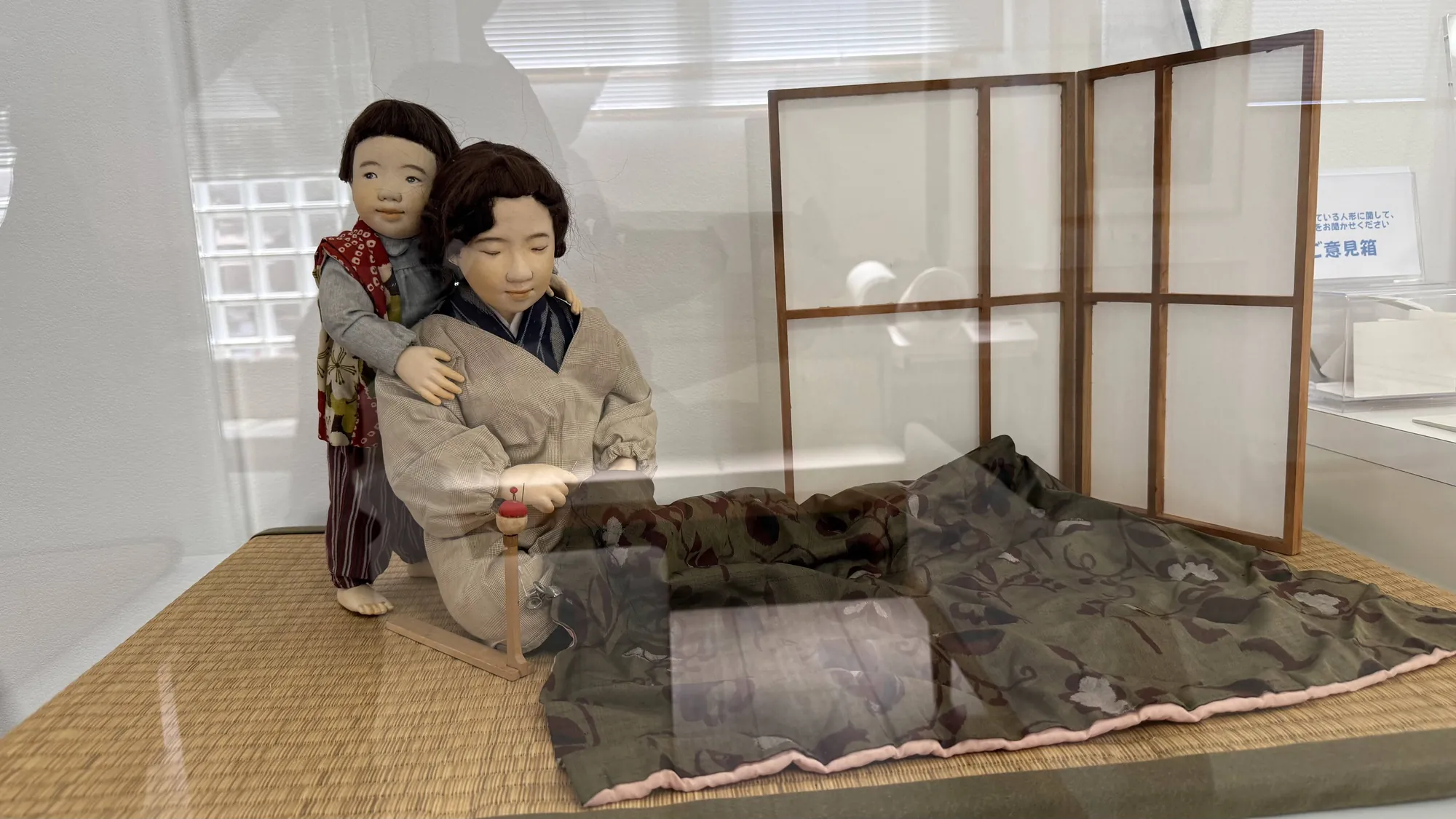
    Dolls of a mother doing handwork with cloth on her lap by the fire of an open hearth, and a child hugging her back

    Piecework at Home (Naishoku)

  • Month 2
    Dolls of three boys by a river: one crying, one laughing and one crouching

    The Quarrel (Kenka)

  • Month 3
    Dolls of a boy in a headband holding a sword, and a crouching boy

    Sword Fight Play (Chanbara)

  • Month 4
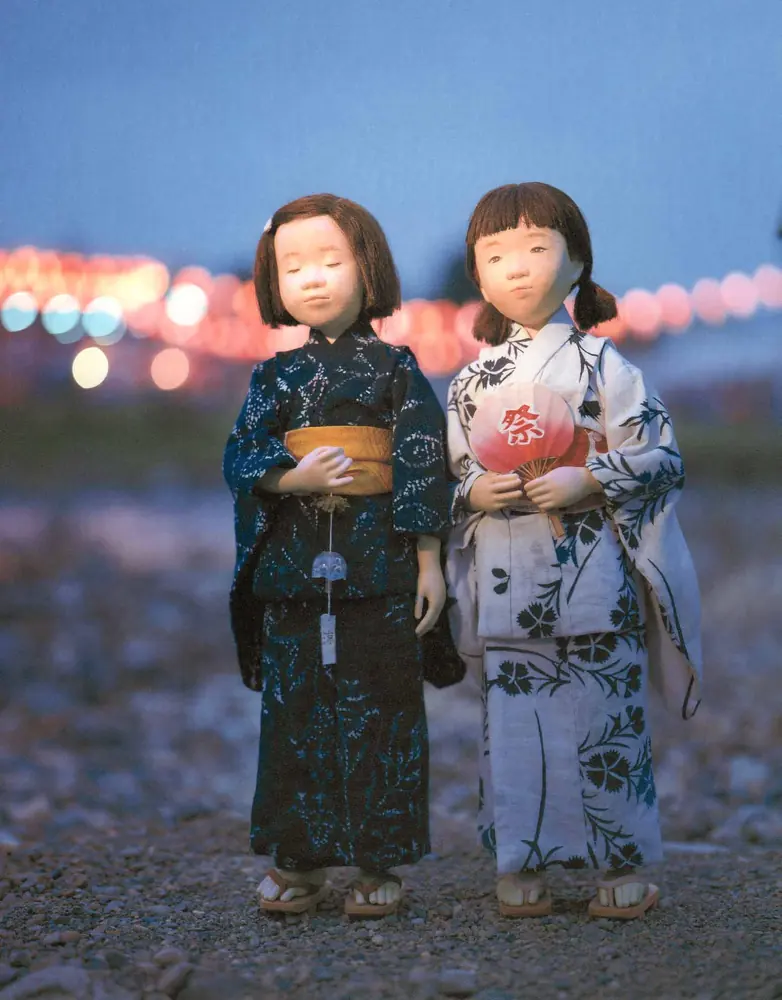
    Dolls of two girls in yukata standing side by side

    The Temple Fair (Ennichi)

  • Month 5
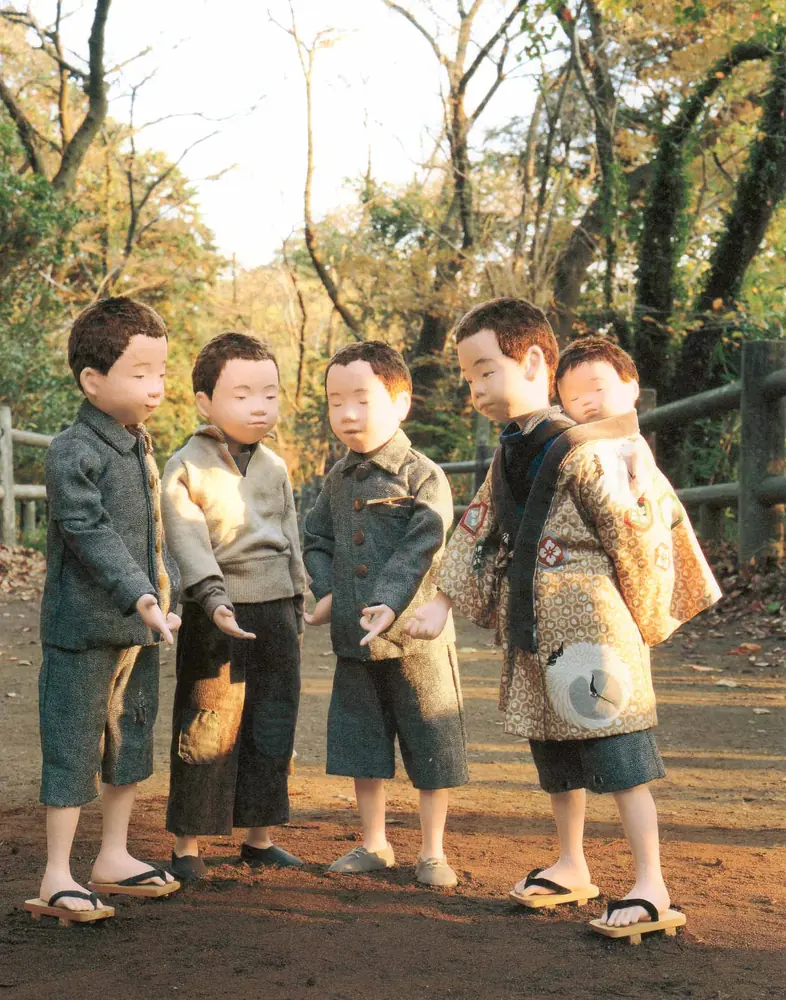
    Dolls of boys playing rock, paper, scissors in a circle, and a child carrying a baby on her back

    Rock, Paper, Scissors (Janken)

  • Month 6
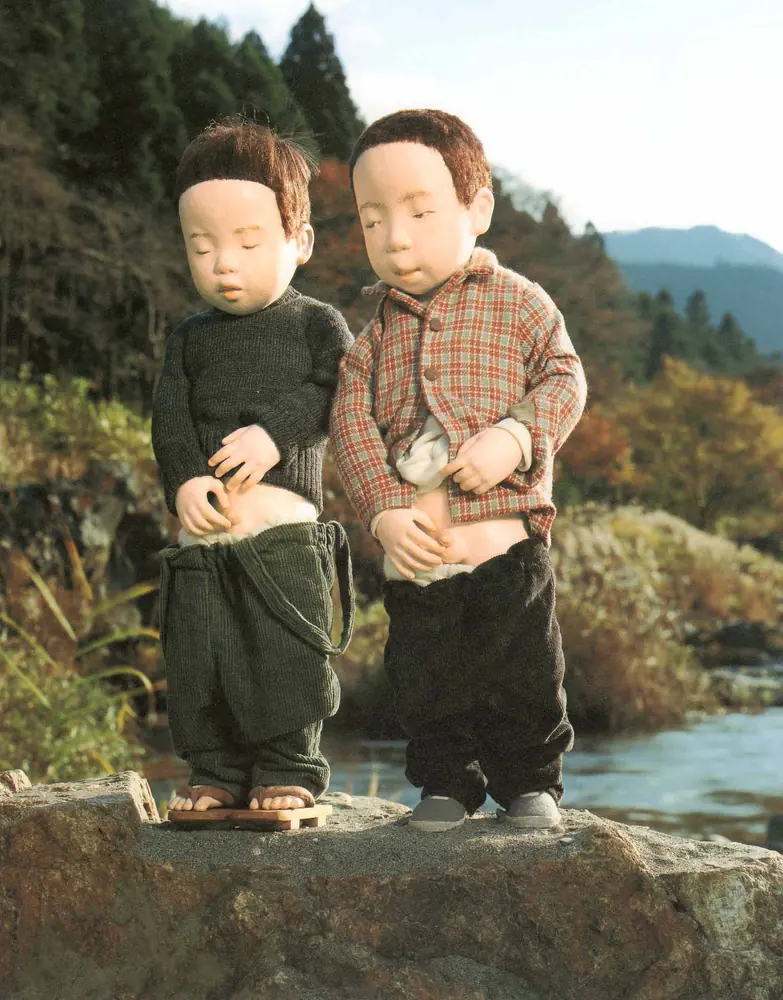
    Dolls of two boys standing side by side on a rock by a river

    Who Goes Farthest? (Tobashikko)

  • Month 7
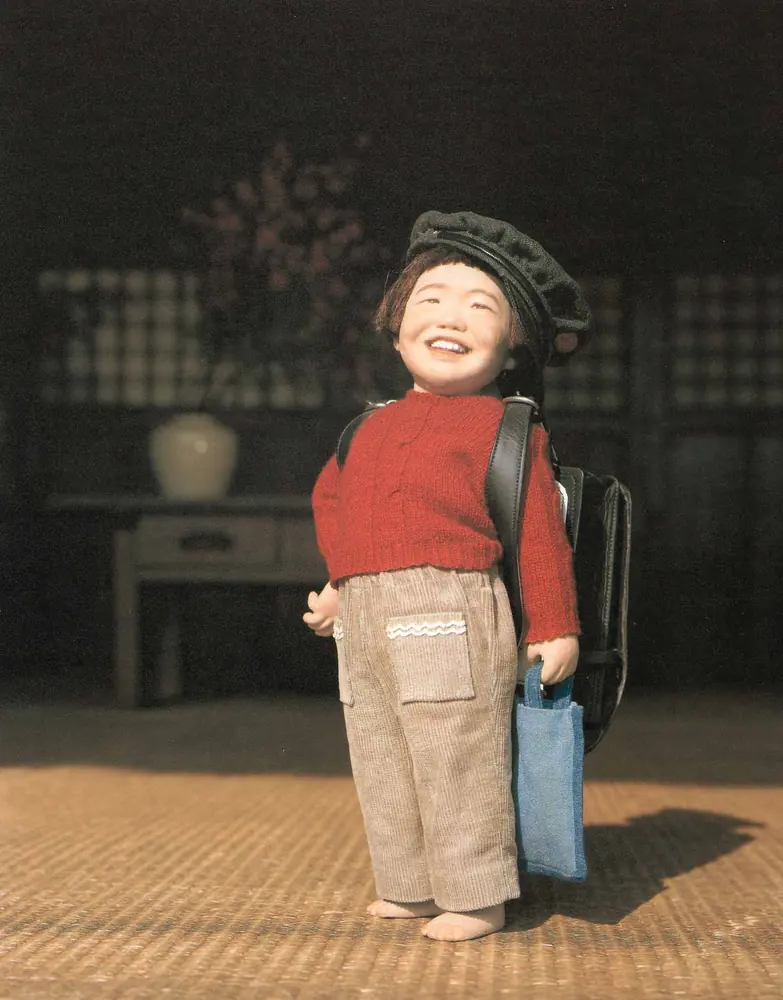
    A doll of a smiling boy in a red sweater holding a bag

    Big Brother's School Bag (Oniichan no Kaban)

  • Month 8
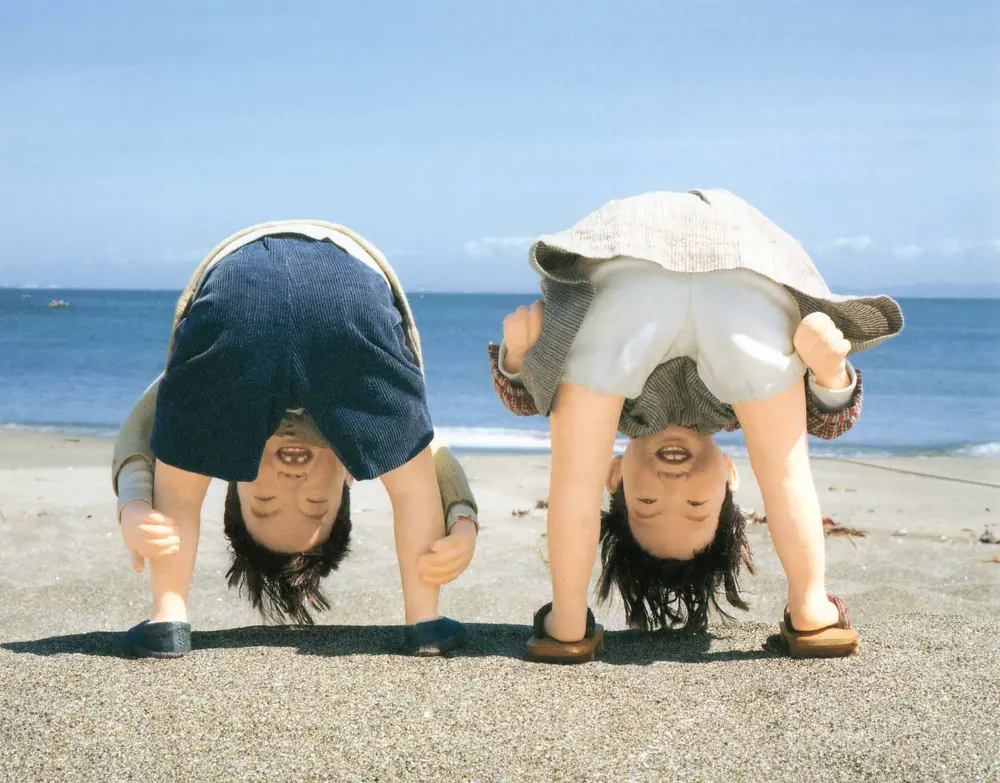
    Dolls of two children peeking between their legs on a beach

    Peeking Between the Legs (Matanozoki)

  • Month 9
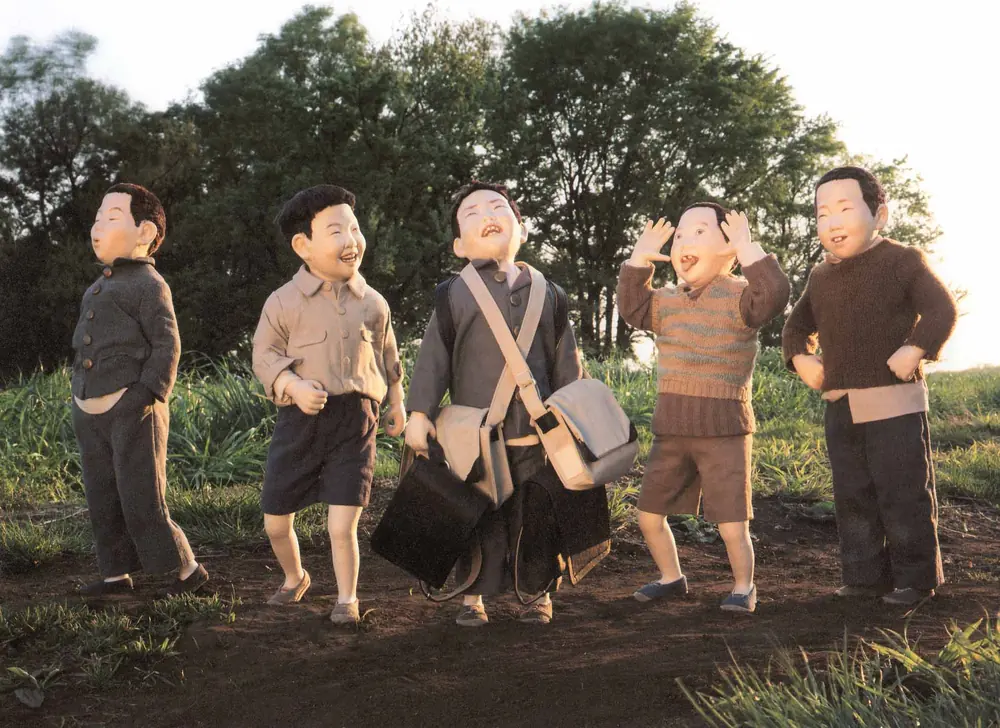
    Dolls of children on their way home from school, standing in a field

    On the Way Home from School (Gakko Gaeri)

  • Month 10
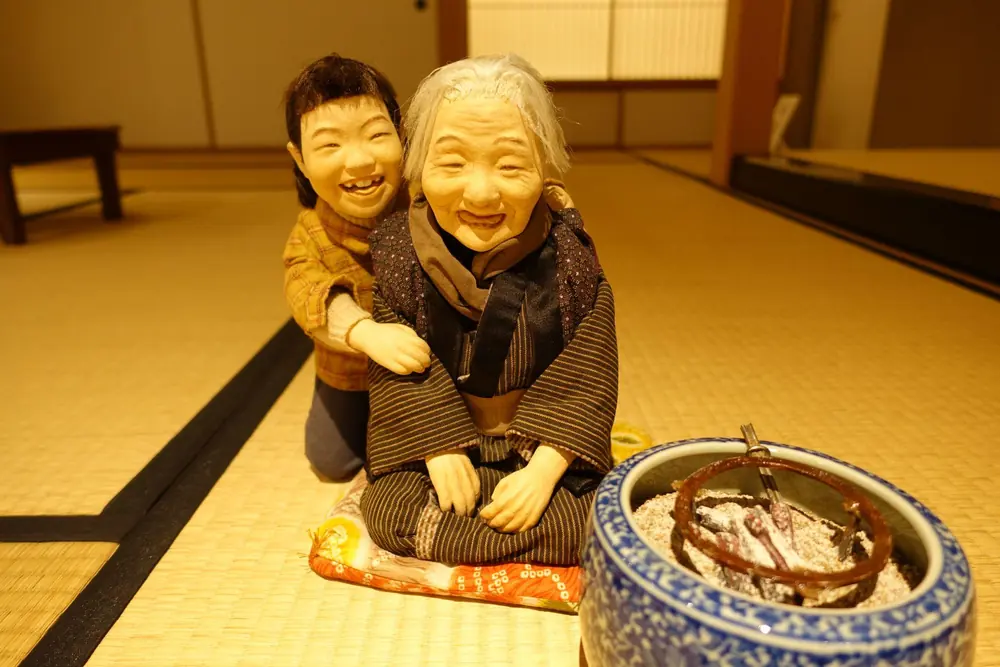
    Dolls of a grandmother sitting on tatami and a laughing child hugging her from behind

    Buddha's Smile (Hotoke-warai)

  • Month 11
    Dolls of two boys riding one tricycle together

    The Tricycle (Sanrinsha)

  • Month 12
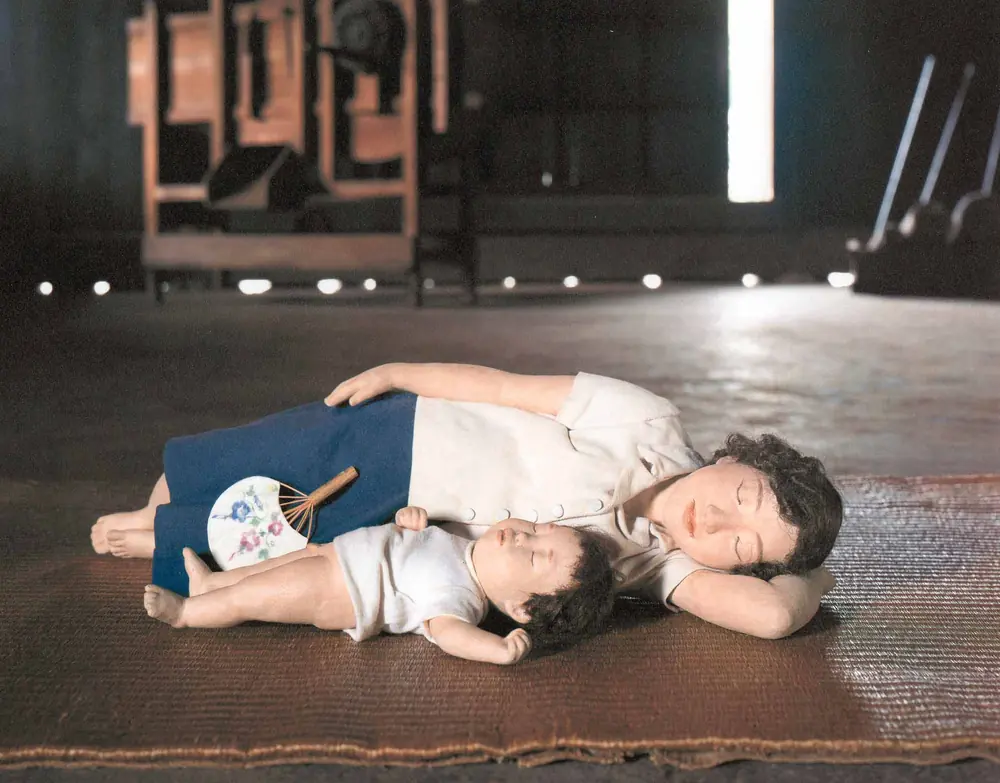
    Dolls of a mother and child lying on a wooden floor, taking a nap

    Afternoon Nap (Gosui)

These are photographs of the works. At your facility, the dolls are displayed in a clear acrylic case.

Because there are 34 titles for the Monthly Rotating Doll Display, we can serve no more than 34 facilities.

Price

The Monthly Rotating Doll Display has a monthly fee. The fee includes installation and insurance against accidental damage. For the first month only, an initial fee (the cost of the acrylic case, about ¥80,000) is charged in addition to the monthly fee.

PRICE

Monthly Rotating Doll Display

Monthly¥150,000(excl. tax)

¥165,000 incl. taxone work a month

Initial fee
The cost of the acrylic case (about ¥80,000 as a guide; first month only). The case becomes the property of your facility, and we will collect it if you no longer need it
Contract term
Minimum one year (so that you can see 12 or more works)
Included in the fee
Installation, and insurance against accidental damage
Possible extra costs
For facilities outside the Tokyo area, we may need to discuss travel costs for installation separately

SPEC

What is displayed

Handmade dolls are displayed in an acrylic case. Every month our staff come and change the display.

What is displayed
One work a month from the 34 standard works (each work has 1 to 5 dolls)
Doll size
About 1/5 to 1/4 life size. Children approx. 30–40 cm, adults approx. 40–50 cm (standing height; varies by doll)
Display case
Clear acrylic case, approx. 90 cm W × 55–58 cm D × 65–70 cm H. We supply the case (its cost is charged as an initial fee)
Installation and changeover
Our staff come to install the display and change it every month

PREMIUMPremium Display

Works with many dolls or large dioramas (18 works in all) need more space, so we offer them as a “Premium Display.” Instead of a monthly fee, we give a quote each time, based on the period and scale of the display. Please feel free to contact us.

  1. Kamishibai Storyteller (Kamishibai)

    When we heard the drum of the kamishibai man, we just couldn't sit still.
    What happened next to Golden Bat after yesterday?
    I clutch the ten-yen coin Mom gave me.

  2. Under the Cherry Tree (Sakura no Ki no Shita de)

    Dear faces come back from the far side of memory.
    In that one moment,
    we really were friends living in the same time.

  3. Our Tree (Bokura no Ki)

    I wonder if it is still out there somewhere,
    the generous tree that raised us.
    Back then, time moved so slowly.

The photos show the works on display at exhibitions.

The Premium Display includes 15 more works.

  • Threshing Rice (Inekoki)

  • Menko Cards (Menko)

  • Marbles (Bidama)

  • The Scuffle (Tokkumiai)

  • The Naughty Boys (Akudo)

  • A Moment of Plenty (Hojo no Hitotoki)

  • Little Rascal (Wanpaku)

  • The Snow Hut (Kamakura)

  • The Secret Hideout (Himitsu Kichi)

  • Helping with Rice Planting (Taue Tetsudai)

  • A Band of Peddlers (Gyosho no Mure)

  • Street Girls (Gaisho)

  • The Wedding Day (Totsugu Hi)

  • The Tub Bath (Gyozui)

  • The Way Home (Ieji)

Message

How our display lease began

A message from our President

My mother, Ishii Michiko, held exhibitions in between making her dolls, out of a wish that “more people could see these works.”

After Part 1 of Showa no Kodomotachi, “Hometown (Furusato),” was completed, the Great East Japan Earthquake struck. Thinking of the people affected by the disaster, my mother began work on Part 2, “People of the Sea (Umi no Hito),” and gradually held fewer exhibitions. Just as “People of the Sea” was finally finished and she was about to resume exhibitions, the COVID-19 pandemic caused a sharp drop in exhibitions, and soon afterward she learned that she was ill.

About two years after my mother passed away in 2023, carrying on her wishes and hoping that Showa no Kodomotachi could be put to wide use in society, we launched a new business: a display lease in which, rather than asking people to come to exhibitions as before, we bring the dolls to you, a different work each month.

We would be delighted if the baby-boom generation could recall fond memories of the Showa era, and if later generations could feel that “Japan once had a time like this.” As her daughter, I hope these dolls will bring you moments that warm the heart.

We hope that as many people as possible will come into contact with these warm works.
Atelier Michiko CorporationPresident and CEO Ishii Yukie

The generations who once came to see our exhibitions have now reached old age, and many of them spend their days in care facilities.

Now it is our turn to bring the dolls to you.

When we visit, we can also bring a real doll with us.

Voice

From Watanabe Clinic, where the doll display is installed

The display by Ishii Michiko, a doll artist who represents the Showa era, recreates the nostalgic everyday life and warm bonds of the Showa 30s with exquisitely made dolls and dioramas. For our patients who remember those days, it brings back fond longing, and this moving space, where they can feel the warmth of that time and the strength to live, has been very well received.

Watanabe Clinic

Voices

Voices of people who saw the display at Watanabe Clinic

Comments written by patients and visitors in Watanabe Clinic's questionnaire (translated from Japanese).

  • Such nostalgic scenes. I'm 81 now, and they bring back the distant past. Thank you for the display.

  • Wonderful. I hope they can be shown at the ** Art Museum.(The name of the facility has been hidden.)

  • Lovely! It reminds me of the Showa era. It made me feel happy.

  • It's so nostalgic it brings tears to my eyes. The nostalgia of the Showa era wells up, and my heart is soothed. Thank you very much.

  • It stirs a gentle sadness and leaves you with a warm feeling.

  • Around the Showa 30s, I suppose. As someone from the countryside, I somehow feel nostalgic.

  • Just looking at it makes me want to cry.

  • Wonderful. I'm glad I got to see this artist's work.

Flow

How to apply

  1. 01

    Meeting

    We explain the service online or in person. When we visit, we can also bring a real doll with us.

  2. 02

    Contract

    After we agree on terms such as the changeover date, we sign a lease contract. The contract can be signed online, so there is no need to mail documents (other methods are also available).

  3. 03

    First installation and explanation

    We come to install the first work. Please be present so that we can explain how to look after the display.

  4. 04

    A new display every month

    Every month our staff come to change the work.

The minimum contract term is one year. To cancel, please let us know by the end of the month two months before the month you wish to cancel (for example, to cancel at the end of March, let us know by the end of January).

FAQ

How much does it cost?

The fee is ¥150,000 a month (excl. tax; ¥165,000 incl. tax), for one work a month. The fee includes installation and insurance in case a work is accidentally damaged. For the first month only, an initial fee (the cost of the acrylic case, about ¥80,000) is charged in addition to the monthly fee. For facilities outside the Tokyo area, we may need to discuss travel costs for installation separately.

How much does the Premium Display cost?

The fee for the Premium Display depends on the works displayed. It also varies depending on whether a diorama is displayed with them. Unlike the Monthly Rotating Doll Display, which has a monthly fee, we give a quote each time based on the scale of the works and the period of the display. If you let us know which works you would like and your budget, we will propose the plan that suits you best.

Is there a fixed contract term?

The minimum term is one year, so that you can see 12 or more works.
Can we choose which works are displayed?

For the Monthly Rotating Doll Display, we select the works and the order in which they are shown.

Can facilities far from Tokyo apply?

At present, doll displays are difficult outside the Kanto region and its neighboring prefectures. For facilities in other areas, we recommend Monthly Rotating Photo Panels (opens in a new tab). Even within the Kanto area, for facilities outside the Tokyo area we may need to discuss travel costs for installation separately.
How much space do we need to display the dolls?

The acrylic case for the dolls is just the right size to sit on an office desk. If you can set aside display space the size of one office desk and a path for people to walk through, the dolls can be displayed.

Does our facility need to prepare anything?

Please provide a stand (base) for the doll display case. An ordinary office desk is just the right size. We supply the acrylic case (its cost is charged as an initial fee). Please be present at the first installation.

Can works with large dioramas be displayed?

Works with many dolls or large dioramas are offered as a “Premium Display.” Instead of a monthly fee, we give a quote based on the period and scale of the display, so please feel free to contact us.

How do we cancel?

The minimum contract term is one year. To cancel, please let us know by the end of the month two months before the month you wish to cancel (for example, to cancel at the end of March, let us know by the end of January). The acrylic case belongs to your facility, but we will collect it if you no longer need it.

Monthly Rotating Doll Display: learn more

One work a month from 34. We handle installation and changeovers.

Request a presentation

Contact

Request a Presentation

We explain the service online or in person. When we visit, we can also bring a real doll with us. Send us the form below and we will contact you.

Please enter it again to confirm.

Fill this in if you would like us to contact you by phone.

RequestOptional

Please add any questions, and whether you would like the presentation online or in person.

  • It may take some time for us to reply. Requests made on Saturdays, Sundays, public holidays and during the New Year holidays will be handled on the next business day or later.
  • We use the personal information you provide to reply to your request, explain our services, and contact you about quotes, contracts and similar matters. For details, please see our Privacy Policy (opens in a new tab).

This form is protected by reCAPTCHA (for details, see our Privacy Policy (opens in a new tab)).

You can also contact us by phone:+81-428-26-2592

For facilities and businesses Monthly Rotating Doll Display

Start with a brochure or a meeting.

For the Monthly Rotating Doll Display, we can send you a brochure or explain the service in a meeting (online or in person).

This takes you to the form at the bottom of the page.