
Photo booksPhoto Story: Showa no Kodomotachi

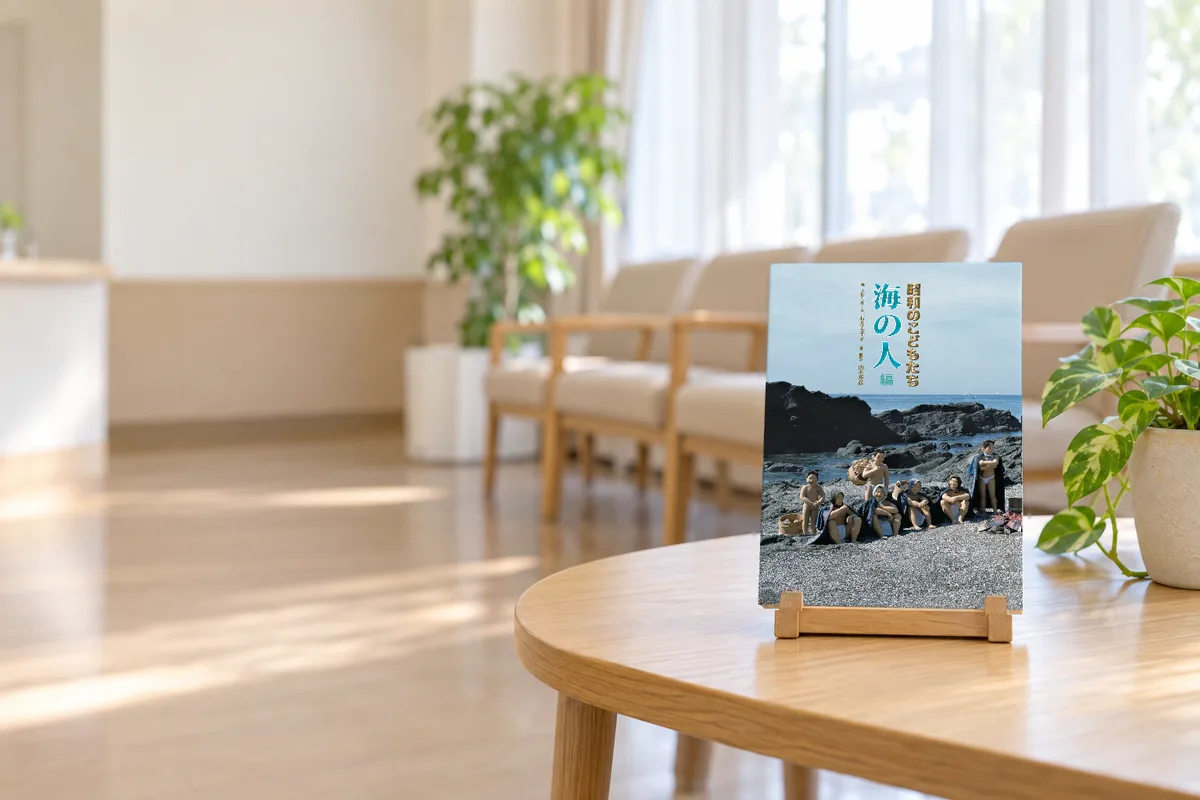
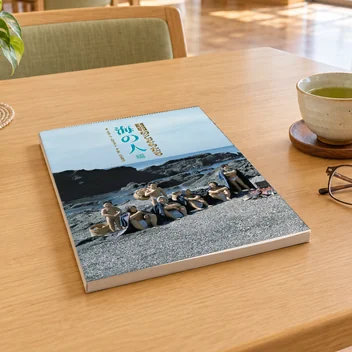
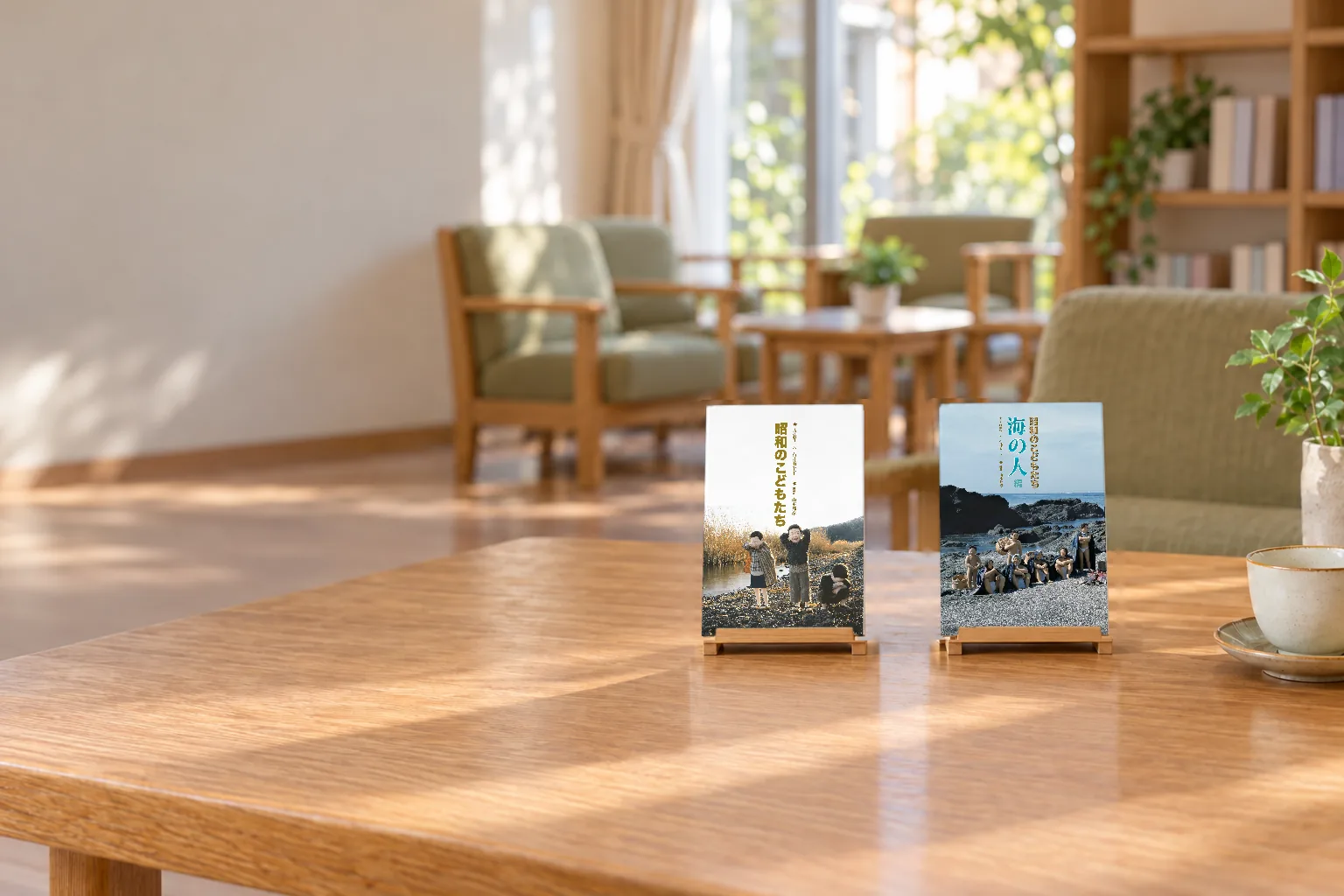
The photo books “Photo Story: Showa no Kodomotachi,” Hometown and People of the Sea, in a book stand on a wooden table in a bright lounge (image)

Photo books Photo Story: Showa no Kodomotachi

Series total200,000 copies

Photo books where you can meet
the children of those days.

Farming life in the Showa 30s, and people who live with the sea.
Photo stories told with dolls, in two volumes.

Hometown / People of the Sea¥2,200 each (tax included)

About Showa no Kodomotachi

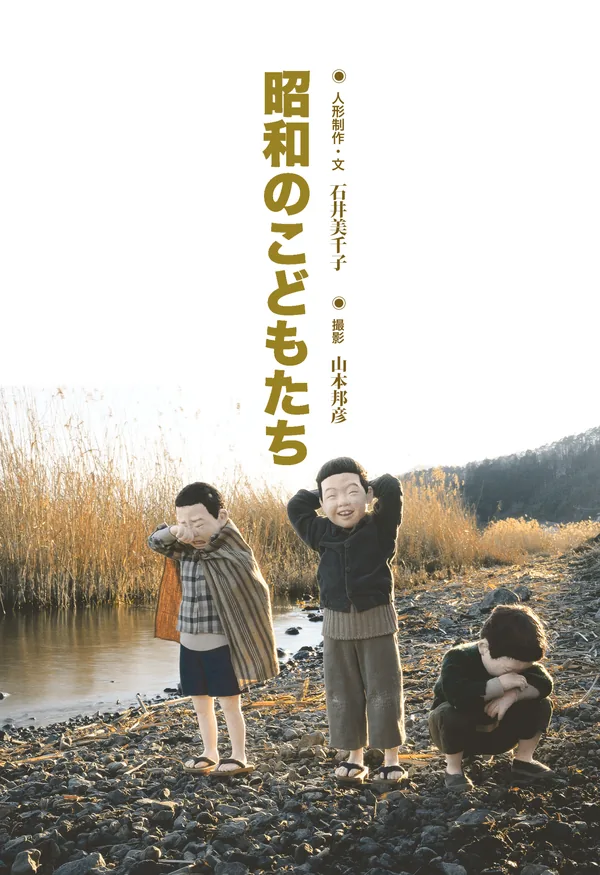
Showa no Kodomotachi (Children of the Showa Era) is a body of work in which doll artist Ishii Michiko traced her memories of being a child in the Showa 30s (1955–1964) and recreated those scenes with dolls and dioramas.

The works are in two parts: Part 1, “Hometown (Furusato),” about people living in the countryside, and Part 2, “People of the Sea (Umi no Hito),” about people who live by the sea.

Every doll has its own face, full of life.
In every scene, a nameless someone lives one very real day.

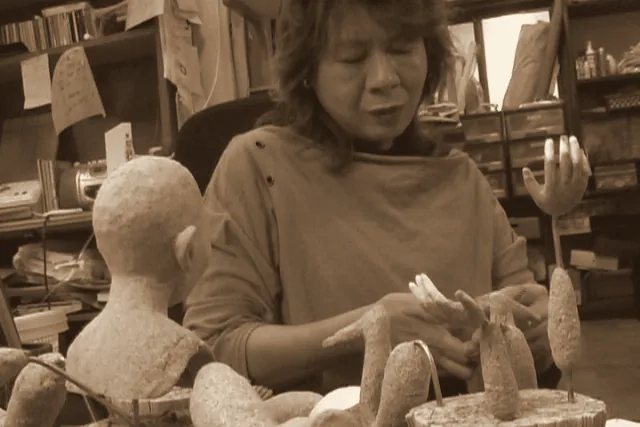
Doll artist Ishii Michiko working on the model of a doll
Ishii Michiko at work

Prefectures where exhibitions have been held

34/47prefectures

Map of Japan

Dolls that have been seen
by many people at exhibitions across Japan.

The numbers in this section are for all of the Showa no Kodomotachi doll works and past exhibitions (not the number of works in the photo books).

  • 64 titles / 332 figures

    All of Showa no Kodomotachi (Part 1 Hometown, Part 2 People of the Sea)

  • 100+ venues

    Places where exhibitions have been held (across Japan)

  • 1,500,000+

    Total visitors to the exhibitions

What makes Showa no Kodomotachi special

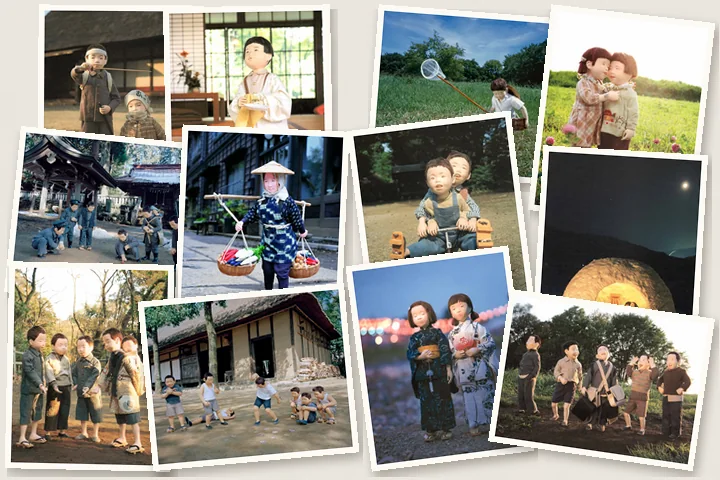
  • Prints of photos of doll works such as “The Temple Fair (Ennichi),” “The Snow Hut (Kamakura)” and “The Tricycle (Sanrinsha)”

    64 titles / 332 figures

    Every doll has a face of its own

    The doll works form Part 1, “Hometown (Furusato),” and Part 2, “People of the Sea (Umi no Hito),” with 64 titles and 332 figures in all. Every figure has a different expression, and every work is one of a kind. Each doll was handmade, one by one, by doll artist Ishii Michiko. Work on Part 2, “People of the Sea,” began in 2011 and was completed in 2016.These are the numbers for all the doll works (not the number of works in the photo books).

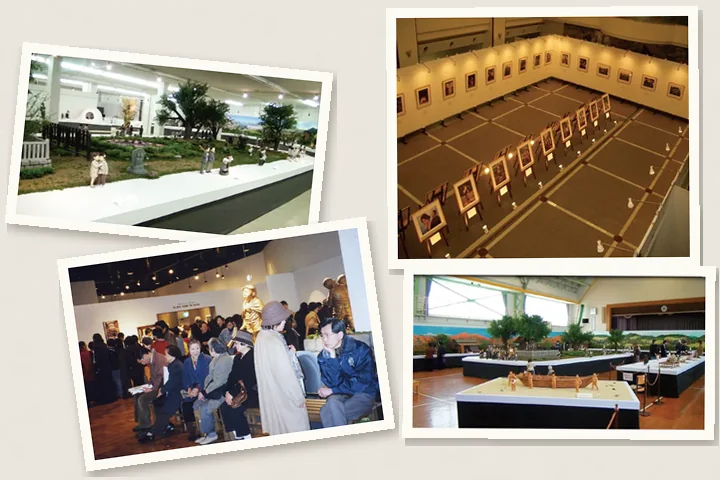
  • Photos of exhibitions held in museums, gymnasiums, empty shops and other venues

    Shown at more than 100 venues across Japan

    More than 1.5 million visitors

    Exhibitions of Showa no Kodomotachi, which depicts life in the Showa 30s with dolls and dioramas, have been held at more than 100 venues across Japan. Venues have included museums, art museums, department stores and local government events. The works have been shown at an event at Nagoya Dome and at the Hamada Children's Museum of Art. In total, more than 1.5 million people have visited, and we have received many moving comments.

  • A diorama of houses and cherry trees with dolls, spreading across a gallery of the Edo-Tokyo Museum

    2000 Edo-Tokyo Museum

    The museum's first exhibition of a living artist

    The Showa no Kodomotachi Doll Exhibition was held at the Edo-Tokyo Museum as a co-sponsored event of the “Tokyo 2000 Festival.” The 380-tsubo (about 1,250 m²) hall recreated the world of the Showa era, with full-scale sets of the Showa 30s and Showa no Kodomotachi bronzes.

  • A full-scale set recreating a sweet shop of the Showa 30s (exhibition at the Edo-Tokyo Museum)

    A pioneer of the Showa boom

    Long before today's Showa retro trend

    Ishii Michiko held her first solo exhibition in 1993, and from 1995 requests for exhibitions came from all over Japan. Her exhibitions across the country, starting with the 2000 exhibition at the Edo-Tokyo Museum, are said to be one of the sparks of the Showa 30s boom and the origin of the Showa boom.

  • Dioramas and dolls displayed in an elementary school gymnasium (Minamiuonuma, Niigata; marking the school's closure)

    Chosen for public commemorative projects

    For local celebrations and projects

    The works have been shown at events such as the 2007 project commemorating the establishment of Showa Day (organized by Hachioji City with the support of the Cabinet Office), the closing of an elementary school in Minamiuonuma, Niigata, and the “Rediscovering Richness of the Heart Project” in Ono, Fukui.

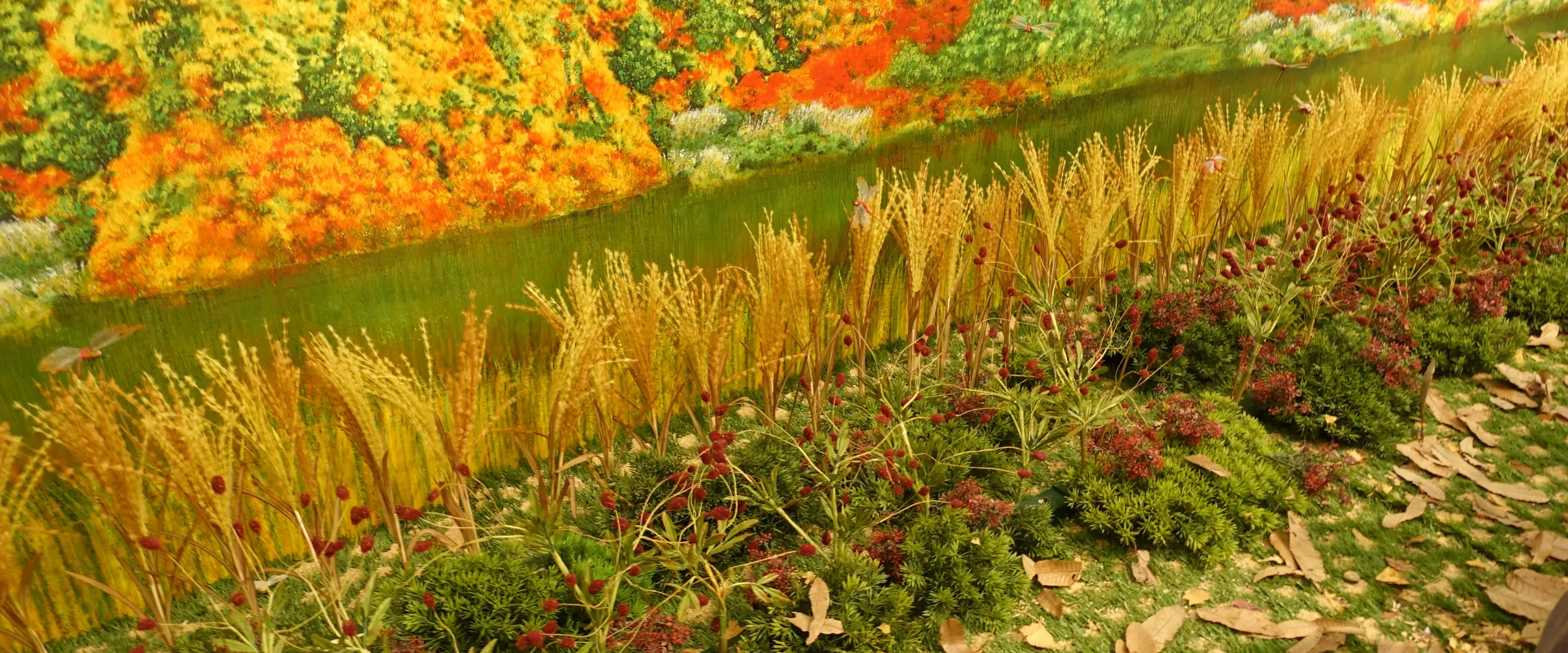
  • A diorama of trees and houses with dolls, spreading across a large gallery

    Dioramas

    Scenes of the Showa era in dolls and dioramas

    At exhibitions, the dolls are set among dioramas and backdrops of the four seasons made and supervised by the artist, Ishii Michiko. From the trees and houses, shrine and lotus pond of “Hometown,” about people living in the countryside, to the seaside life of “People of the Sea.” The dioramas are built at roughly one-quarter scale, so finely made to match the world of the works that they look real.

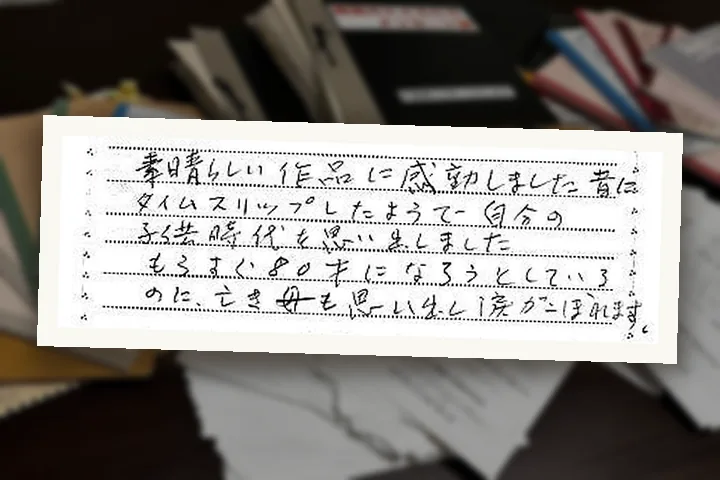
  • A handwritten comment sent in by a visitor

    Visitors' voices

    Dozens of boxes of comments and letters

    At the exhibitions, some visitors are moved to tears as they recall their own childhood or their mothers, while others chat with friends about the old days as they look at the dolls. Over the years, the letters of thanks and comments we have received would fill dozens of cardboard boxes. The images show some of the handwritten comments sent to us (in Japanese).

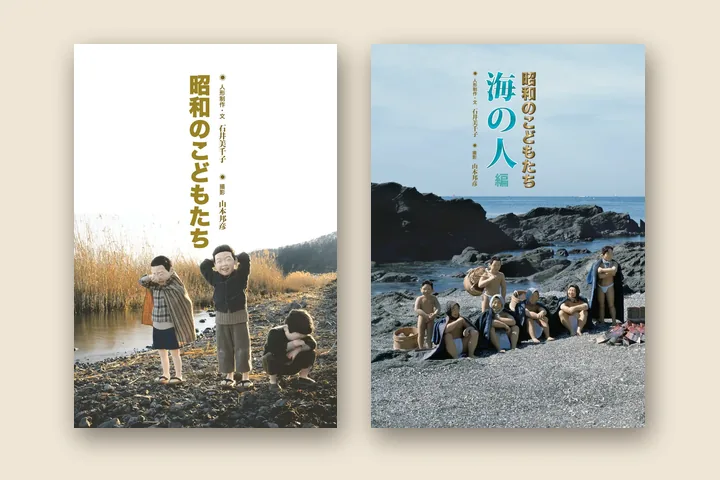
  • Covers of the photo books “Photo Story: Showa no Kodomotachi,” Part 1 Hometown and Part 2 People of the Sea

    Carefully made photo books

    200,000 copies sold in the series

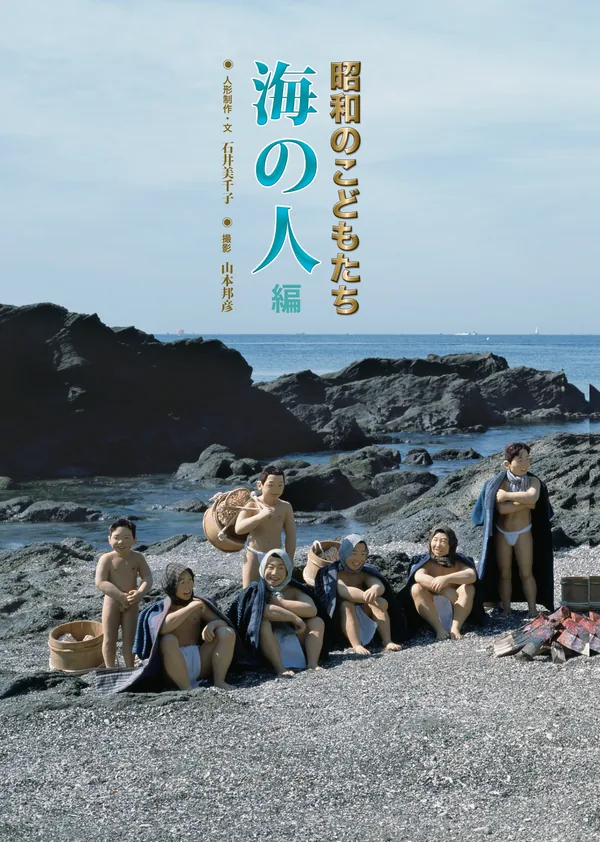
    “Photo Story: Showa no Kodomotachi” is a series of photo books of scenes from the Showa 30s, shot with the dolls placed in real locations and finished with high-definition printing. There are two volumes: “Hometown,” about people living in the countryside (62 pages), and “People of the Sea,” about people who live by the sea (68 pages, including four works on gatefold pages). Photography by Yamamoto Kunihiko. Each work comes with a short story written by Ishii Michiko.

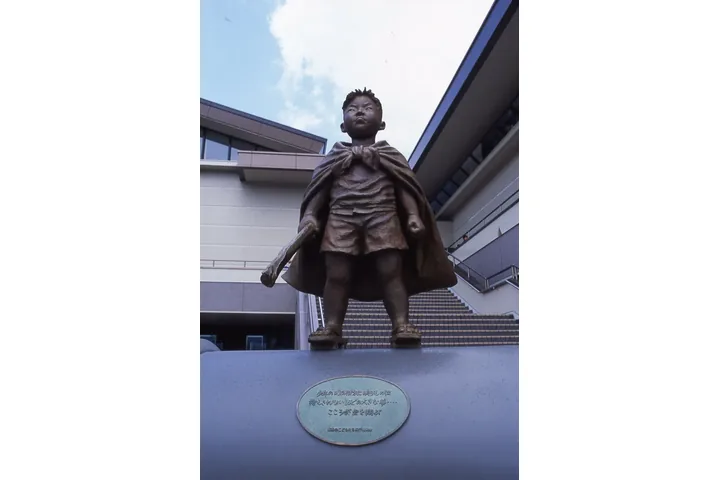
  • Bronze statue of a boy in a cape, standing on a pedestal in front of a building

    Bronze sculptures

    Showa children standing in town

    Bronze sculptures based on the dolls stand at public facilities and other places. The works made in bronze are “Crybaby (Nakimushi),” “The Quarrel (Kenka),” “Who Goes Farthest? (Tobashikko),” “Peeking Between the Legs (Matanozoki)” and “Little Rascal (Wanpaku).” In places where local people come and go, the bronze children quietly bring a sense of nostalgia to those who see them. They come in life size and one-quarter scale, and are made to order.

  • A newspaper article featuring Showa no Kodomotachi (blurred)Newspaper

    In the media

    Newspapers, magazines and TV

    Whenever exhibitions were held, the works were widely covered by newspapers across Japan and featured on TV news. They have appeared in magazines such as “Ginka,” “Seiryu” and “Serai,” including on a magazine cover. They have also been introduced on radio programs and in web articles, and featured in live TV broadcasts. They were used in a TV commercial for Iwatani Corporation, and once appeared in hanging advertisements inside Kintetsu trains.

Two books

Two photo stories.

The photo book series “Photo Story: Showa no Kodomotachi” presents doll artist Ishii Michiko's doll works depicting scenes of the Showa era, in the Showa 30s (1955–1964), as photographed by Yamamoto Kunihiko. There are two volumes, “Hometown” and “People of the Sea,” with a caption for every work (in Japanese).

Photo books “Photo Story: Showa no Kodomotachi” series total

200,000 copies

Part 1

Photo Story: Showa no KodomotachiHometown (Furusato)

¥2,200 (tax included)

A photo book of doll works on the theme of the Japanese as a farming people in the Showa 30s.

Dolls and text
Ishii Michiko
Photography
Yamamoto Kunihiko
Specifications
62 pages; four-color printing
Works included
46 works

Buy at the Online Shop (in Japanese) (opens in a new tab)

Part 2

Photo Story: Showa no KodomotachiPeople of the Sea (Umi no Hito)

¥2,200 (tax included)

Part 2 of the Photo Story series. People of the Sea is a requiem, dedicated to those affected by the Great East Japan Earthquake. It includes panoramic double-page spreads.

Dolls and text
Ishii Michiko
Photography
Yamamoto Kunihiko
Specifications
68 pages; four works on gatefold pages
Works included
27 works

Buy at the Online Shop (in Japanese) (opens in a new tab)

The product page of our Online Shop (BASE, in Japanese) opens in a new tab.
For shipping, payment methods and return conditions, please see the Online Shop's Commercial Disclosure (in Japanese) (opens in a new tab).

Inside

Open the book

Each work comes with its story, alongside the photographs.

Inside the photo story

From the works in Hometown

  • The Temple Fair (Ennichi)
  • The Snow Hut (Kamakura)
  • Rock, Paper, Scissors (Janken)
  • Piecework at Home (Naishoku)
  • The Tricycle (Sanrinsha)
  • On the Way Home from School (Gakko Gaeri)

Works included in Hometown46 works

  • Little Rascal (Wanpaku)
  • New Shoes (Atarashii Kutsu)
  • Sisters (Shimai)
  • The Lost Game (Makejiai)
  • Spinning Tops (Koma)
  • Under the Cherry Tree (Sakura no Ki no Shita de)
  • Sword Fight Play (Chanbara)
  • Home from Playing in the Flowers (Kusabana Asobi no Kaerimichi)
  • Rock, Paper, Scissors (Janken)
  • The Temple Fair (Ennichi)
  • Street Girls (Gaisho)
  • The Vegetable Seller (Yasai-uri)
  • By the Kitchen Hearth (Kamado no Mae)
  • On the Way Home from School (Gakko Gaeri)
  • Peeking Between the Legs (Matanozoki)
  • The Wedding Day (Totsugu Hi)
  • The Quarrel (Kenka)
  • Lost in Play (Muchu)
  • Covered in Mud (Doronko)
  • At Mother's Side (Haha no Katawara)
  • Helping Out (Otetsudai)
  • The Tricycle (Sanrinsha)
  • Kamishibai Storyteller (Kamishibai)
  • A Band of Peddlers (Gyosho no Mure)
  • Who Goes Farthest? (Tobashikko)
  • Crybaby (Nakimushi)
  • Best Friends (Nakayoshi)
  • Piecework at Home (Naishoku)
  • With the Little One (Osanago to)
  • Our Tree (Bokura no Ki)
  • The Circle of Life (Meguru Inochi)
  • The Tub Bath (Gyozui)
  • The Way Home (Ieji)
  • The Sound of Waves (Shiosai)
  • Making a Face (Akkanbe)
  • Resting on Mother's Lap (Hizamakura)
  • The Scuffle (Tokkumiai)
  • A Moment of Plenty (Hojo no Hitotoki)
  • Buddha's Smile (Hotoke-warai)
  • Afternoon Nap (Gosui)
  • Big Brother's School Bag (Oniichan no Kaban)
  • The Naughty Boys (Akudo)
  • The Teacher (Sensei)
  • The Snow Hut (Kamakura)
  • Tender Love (Jiai)
  • A Short Break (Ippuku)

From the works in People of the Sea

  • The Diver's Rest (Ama no Hitoyasumi)
  • Afternoon on the Shore (Hama no Gogo)
  • Children of the Wind (Kaze no Ko)
  • Playing House (Mamagoto)
  • Kankoro Rice (Kankoro Meshi)
  • Hauling In the Divers' Boat (Amabune no Hikiage)

Works included in People of the Sea27 works

  • Little Rascal (Wanpaku)
  • Twisting Straw Rope (Nawanai)
  • Rice-Planting Maidens (Saotome)
  • The Old Fisherman (Roryoshi)
  • Woman of the Waves (Nami no Onna)
  • Ama Divers (Ama)
  • Eternal Prayer 1 (Eien no Inori 1)
  • Eternal Prayer 2 (Eien no Inori 2)
  • Eternal Prayer 3 (Eien no Inori 3)
  • Gathering Brushwood (Shibakari)
  • Helping with Rice Planting (Taue Tetsudai)
  • The Fish Seller (Sakana-uri)
  • Marbles (Bidama)
  • The Bug-Catching Boy (Konchu Shonen)
  • Menko Cards (Menko)
  • The Secret Hideout (Himitsu Kichi)
  • Ohajiki with Shell Lids (Chinkoba Ohajiki)
  • Bouncing a Ball (Maritsuki)
  • Jumping Rubber Rope (Gomutobi)
  • Playing House (Mamagoto)
  • Children of the Wind (Kaze no Ko)
  • The Boy Diver (Shonen Ama)
  • Children of the Shore (Hama no Ko)
  • Kankoro Rice (Kankoro Meshi)
  • Hauling In the Divers' Boat (Amabune no Hikiage)
  • The Diver's Rest (Ama no Hitoyasumi)
  • Afternoon on the Shore (Hama no Gogo)

The photos above are selected from the works in each volume. You can also see them on the photo book page of our official site (opens in a new tab).

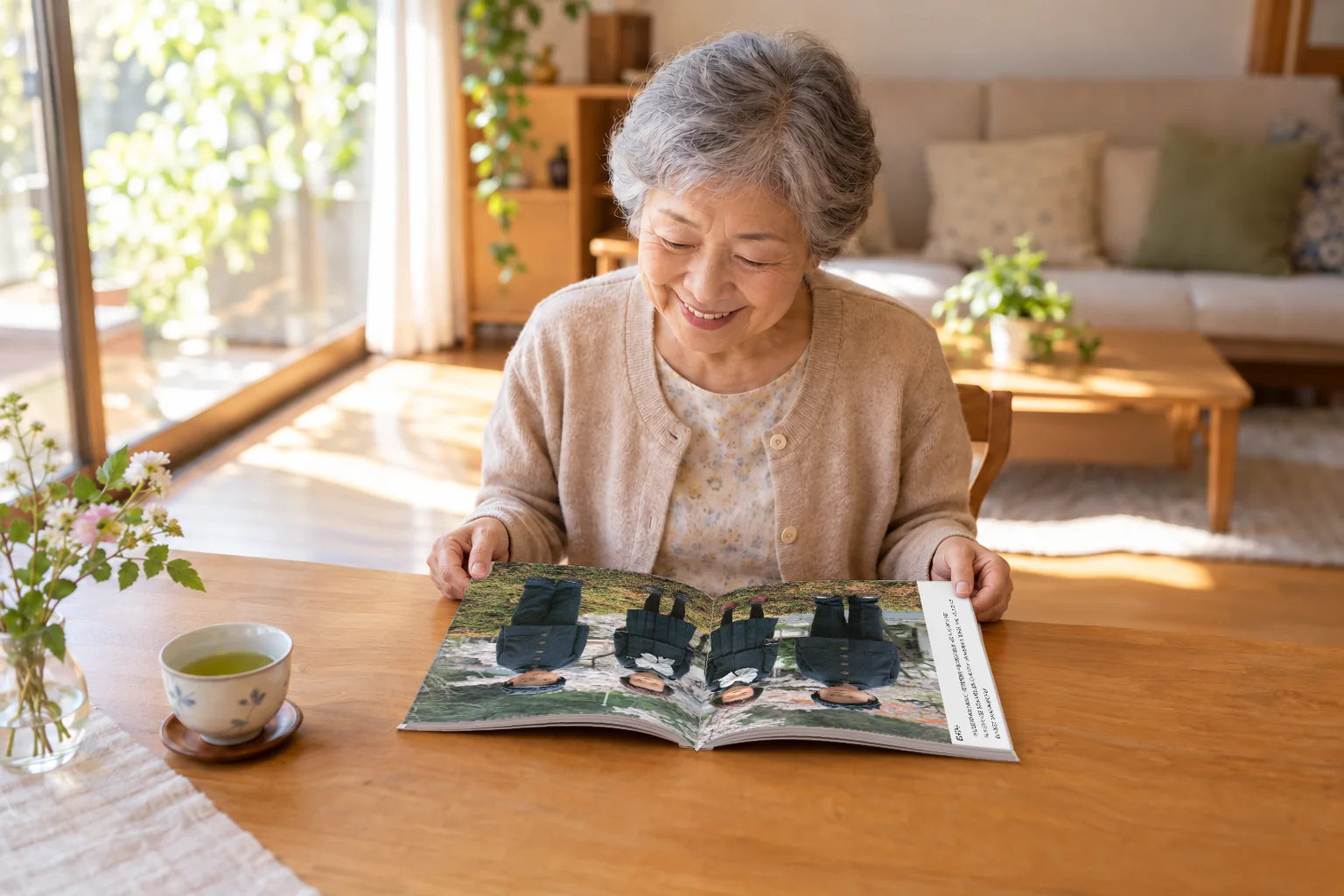
An older woman at a table, holding open the photo book “Photo Story: Showa no Kodomotachi — Hometown” with both hands and smiling at the page (image)

As a gift.
A present for grandparents.
Or for friends, or as a souvenir.

A gift for those who were children in the Showa 30s. A book that depicts the games and daily life of those days with dolls and photographs.

  • For parents and grandparents
  • For Respect for the Aged Day
  • As a get-well gift
  • For lovers of Showa retro
  • For yourself
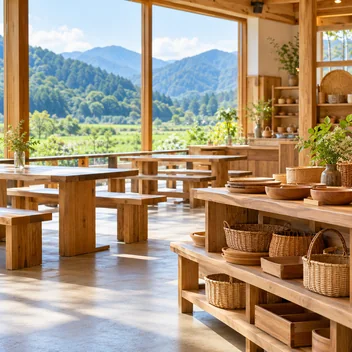
The photo book “Photo Story: Showa no Kodomotachi — People of the Sea” in a book stand on a low table in a bright waiting room (image)

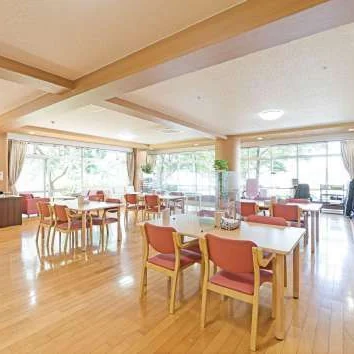
For waiting rooms, lobbies and day rooms

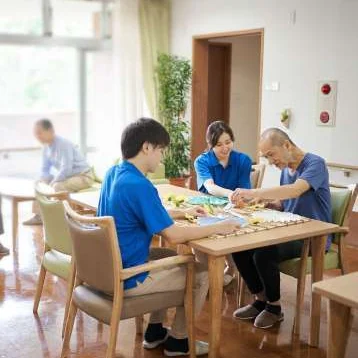
For places where people can pick up a book while they wait, such as hospital and clinic waiting rooms, or the lobbies and day rooms of care facilities. We hope these scenes of the Showa era will help start conversations.

  • On the waiting-room table
  • On the lobby bookshelf
  • In the day room

To buy a few copies, please use the Online Shop, just like individual customers. If you would like to sell them in a facility shop or similar, please see the page for stockists.

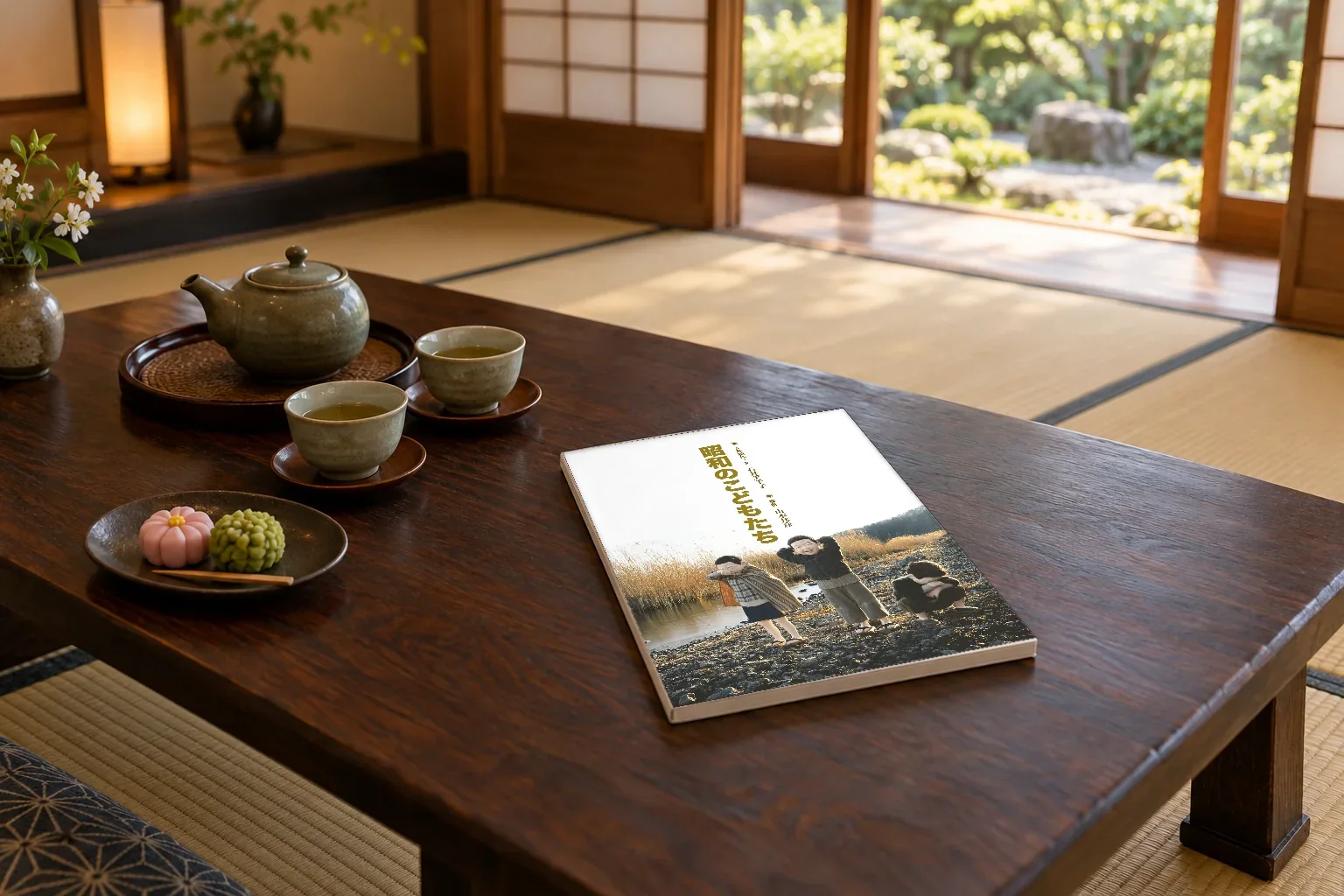
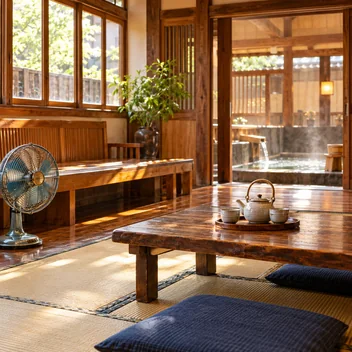
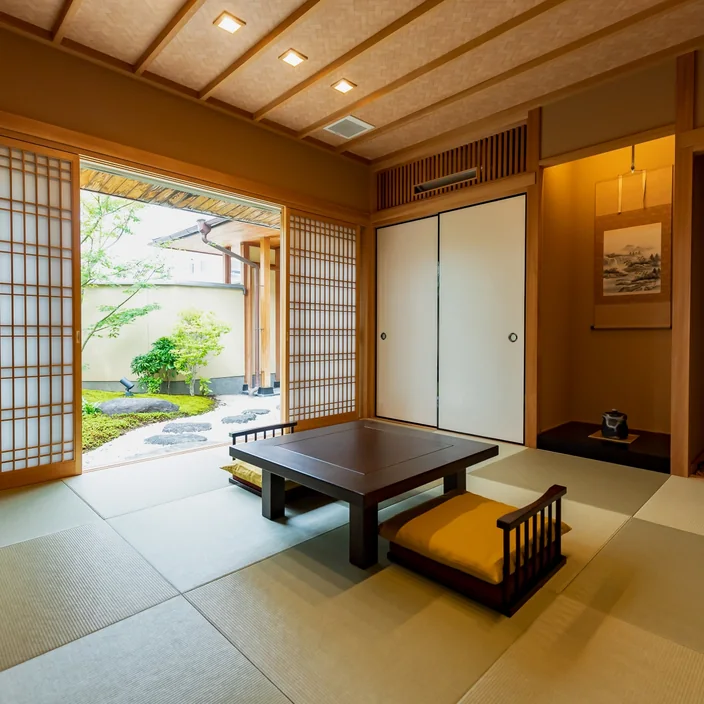
The photo book “Photo Story: Showa no Kodomotachi — Hometown” on a low table in a ryokan guest room, with a teapot and teacups (image)

For hotel and ryokan guest rooms

Why not place one in each room? On the low table of a ryokan, or the bookshelf of a hotel room. A book to leaf through slowly while guests relax.

  • On the guest-room table
  • On the guest-room bookshelf
  • In the lobby lounge

To buy in quantity, please contact us through the contact form (opens in a new tab).

For example, places like these

Why not place them where all kinds of people will see them?

  • Company lobbies
  • Hospitals and clinics
  • Senior care facilities
  • Nursing care facilities
  • Day care services
  • Showa retro cafés
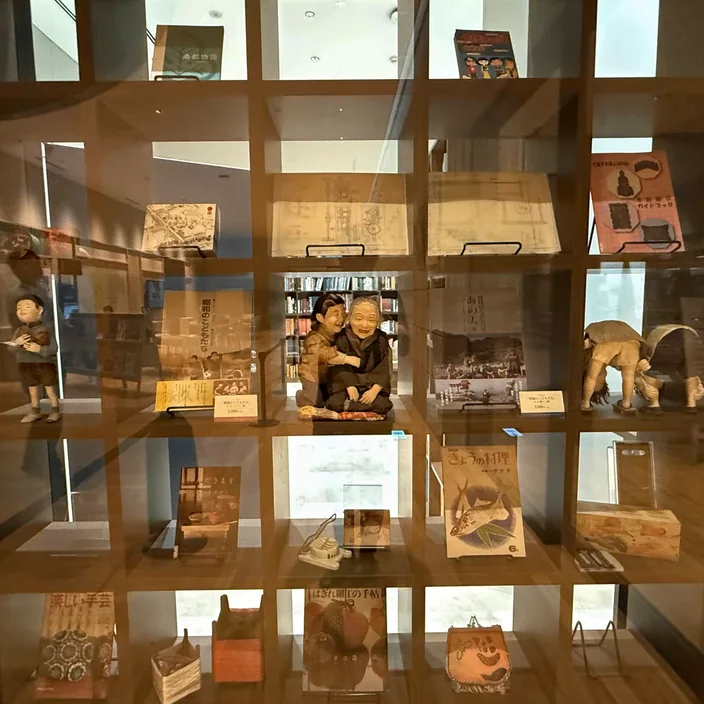
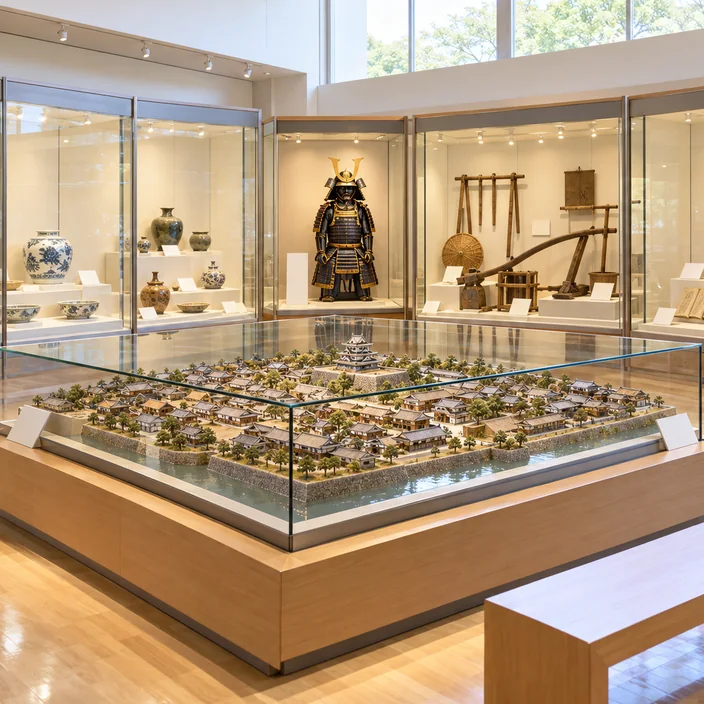
  • Local history museums
  • History museums and memorial halls
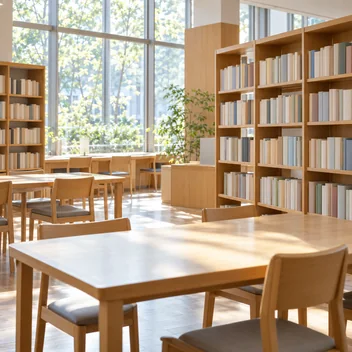
  • Libraries
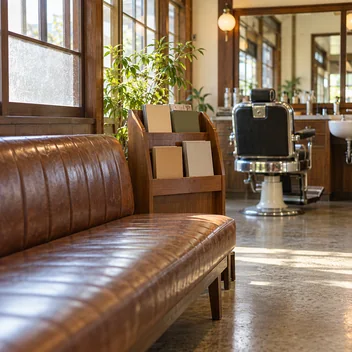
  • Barbers and hair salons
  • Pharmacies
  • Rest areas at public baths and hot springs
  • Roadside stations and tourist information centers
  • Hotels and ryokan inns

FAQ

Where can I buy them?

They are available from our Online Shop (BASE, in Japanese). The buttons in “Two photo stories.” on this page open the product page for each book.

What about shipping and payment methods?

Please see the product pages of the Online Shop and the Commercial Disclosure (in Japanese) (opens in a new tab).

What is the difference between the two books?

Hometown is Part 1, a photo book of doll works on the theme of the Japanese as a farming people in the Showa 30s (62 pages). People of the Sea is Part 2, a photo story depicting people who live with the sea. It includes panoramic double-page spreads.

Can hospitals and facilities buy them?

For a few copies, please order from the Online Shop, just like individual customers. If you would like to sell them in a facility shop or similar (consignment or wholesale), please see the page for stockists.

I would like to sell them in my shop.

Please see the page for stockists.

Can I buy them from outside Japan?

Please contact us separately through the contact form (opens in a new tab).

Is there a discount for large orders?

Some customers buy many copies at once to give to friends or as year-end gifts.
If you would like to buy 30 copies or more, please contact us (opens in a new tab) in advance. We will offer a discount. We also offer a discount when facilities buy copies in quantity for their own use.

Online shop

Buy from our Online Shop.

The Online Shop is in Japanese. For shipping, payment methods and return conditions, please see the Online Shop's Commercial Disclosure (in Japanese) (opens in a new tab).

Photo books “Photo Story: Showa no Kodomotachi”

The two photo books are available from our Online Shop.

Hometown and People of the Sea. Please order from our Online Shop (BASE, in Japanese).

The Online Shop (BASE, in Japanese) opens in a new tab.