Shot on real locations
The photos were taken with the dolls placed in real locations. Shown here is an image of “Helping with Rice Planting (Taue Tetsudai),” photographed in a rice field, made into a photo panel.
For facilities and businessesMonthly Rotating Photo Panels
For facilities and businesses Monthly Rotating Photo Panels
Photo panels of dolls by doll artist Ishii Michiko.
Choose 3 or more from 60 works. Every month we send you
new panels by post (your facility hangs them).
Per panel¥10,000/month (excl. tax)From 3 panels¥11,000 incl. tax per panel; minimum term 6 months; shipping extra
We explain the service online or in person.
When we visit, we can also bring a real photo panel with us.
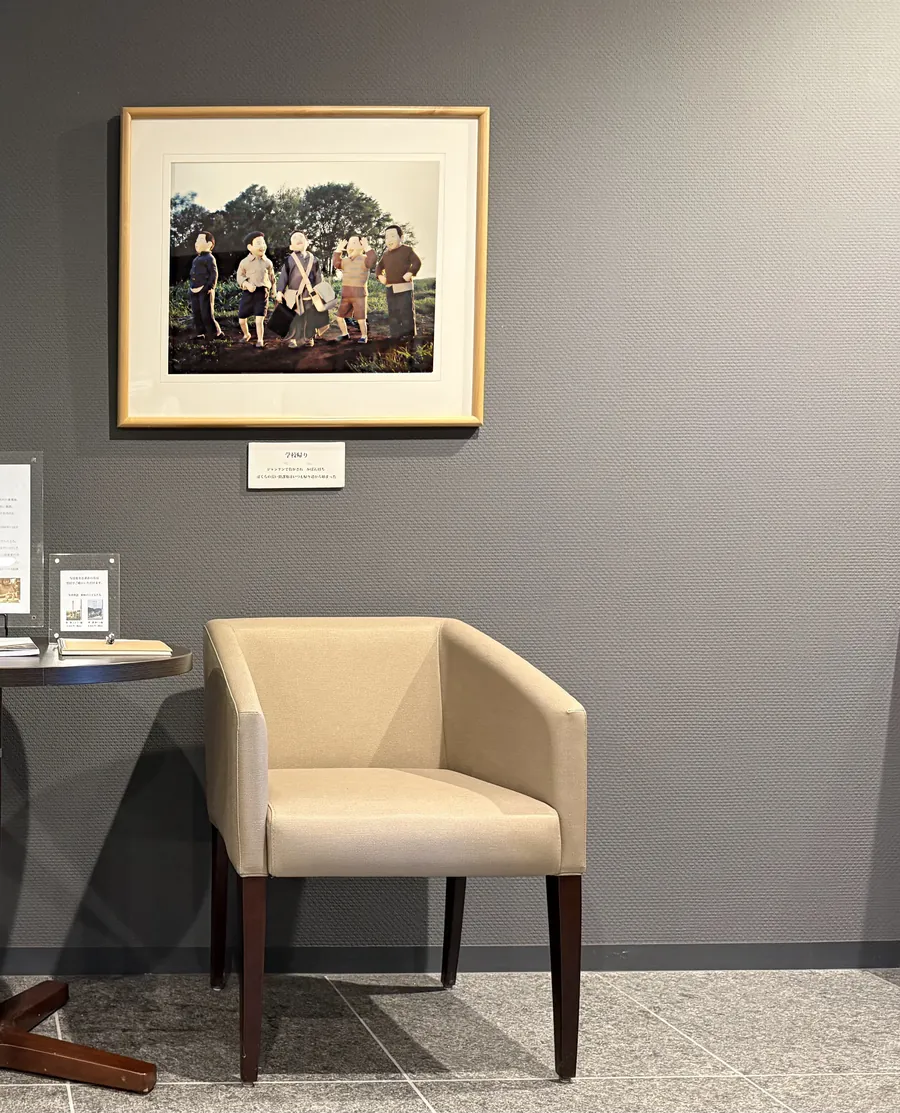
The photo shows a photo panel hung on the wall of a facility.
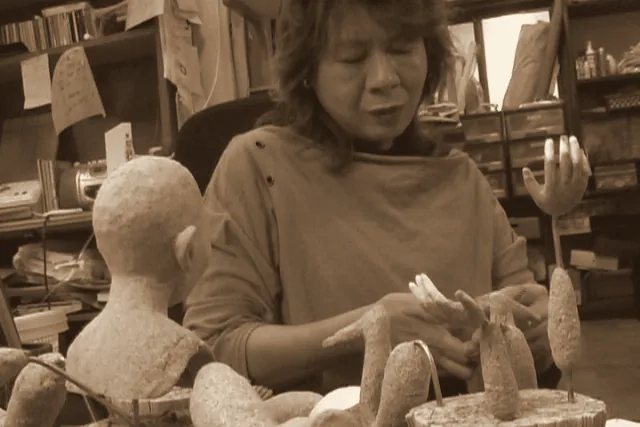
Showa no Kodomotachi (Children of the Showa Era) is a body of work in which doll artist Ishii Michiko traced her memories of being a child in the Showa 30s (1955–1964) and recreated those scenes with dolls and dioramas.
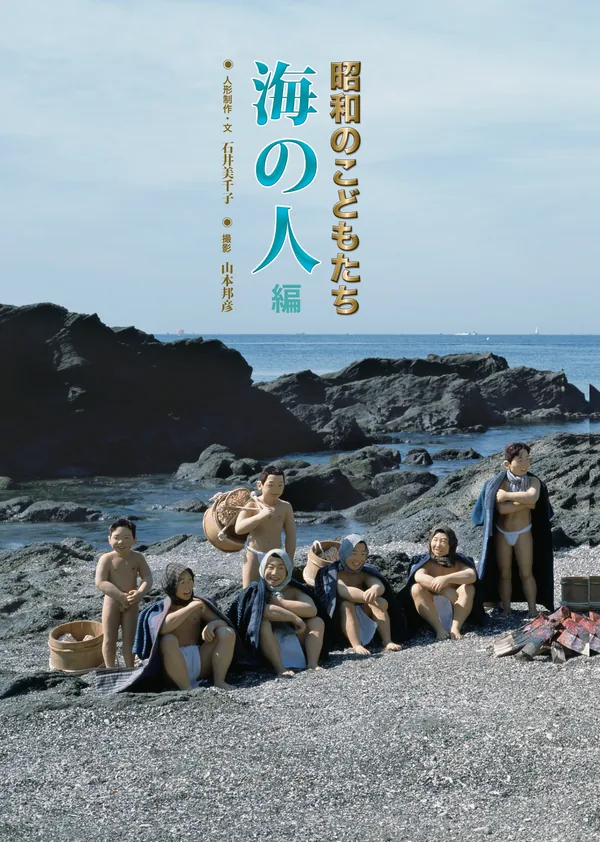
The works are in two parts: Part 1, “Hometown (Furusato),” about people living in the countryside, and Part 2, “People of the Sea (Umi no Hito),” about people who live by the sea.
Every doll has its own face, full of life.
In every scene, a nameless someone lives one very real day.
Prefectures where exhibitions have been held
34/47prefectures

Dolls that have been seen
by many people at exhibitions across Japan.
64 titles / 332 figures
All of Showa no Kodomotachi (Part 1 Hometown, Part 2 People of the Sea)
100+ venues
Places where exhibitions have been held (across Japan)
1,500,000+
Total visitors to the exhibitions
What makes Showa no Kodomotachi special
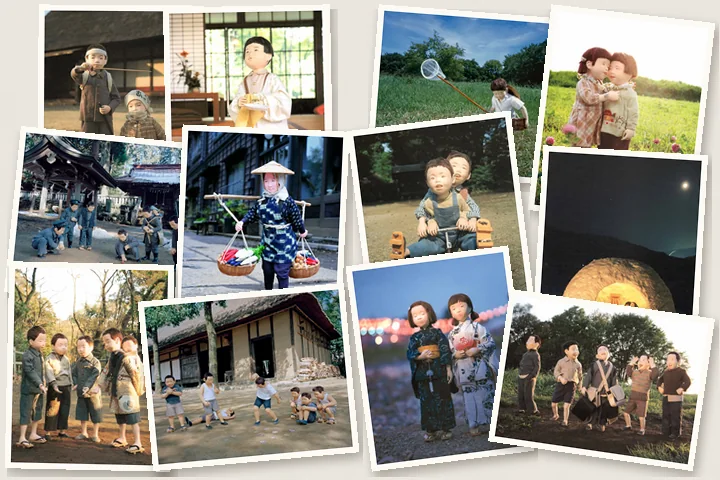
64 titles / 332 figures
The doll works form Part 1, “Hometown (Furusato),” and Part 2, “People of the Sea (Umi no Hito),” with 64 titles and 332 figures in all. Every figure has a different expression, and every work is one of a kind. Each doll was handmade, one by one, by doll artist Ishii Michiko. Work on Part 2, “People of the Sea,” began in 2011 and was completed in 2016.
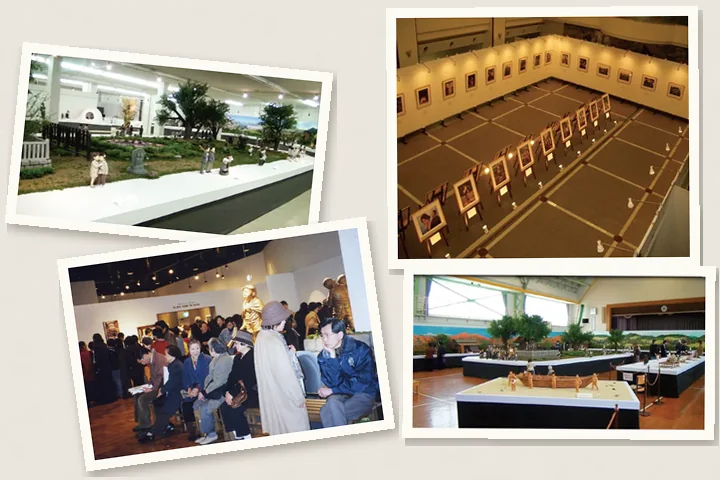
Shown at more than 100 venues across Japan
Exhibitions of Showa no Kodomotachi, which depicts life in the Showa 30s with dolls and dioramas, have been held at more than 100 venues across Japan. Venues have included museums, art museums, department stores and local government events. The works have been shown at an event at Nagoya Dome and at the Hamada Children's Museum of Art. In total, more than 1.5 million people have visited, and we have received many moving comments.

2000 Edo-Tokyo Museum
The Showa no Kodomotachi Doll Exhibition was held at the Edo-Tokyo Museum as a co-sponsored event of the “Tokyo 2000 Festival.” The 380-tsubo (about 1,250 m²) hall recreated the world of the Showa era, with full-scale sets of the Showa 30s and Showa no Kodomotachi bronzes.

A pioneer of the Showa boom
Ishii Michiko held her first solo exhibition in 1993, and from 1995 requests for exhibitions came from all over Japan. Her exhibitions across the country, starting with the 2000 exhibition at the Edo-Tokyo Museum, are said to be one of the sparks of the Showa 30s boom and the origin of the Showa boom.

Chosen for public commemorative projects
The works have been shown at events such as the 2007 project commemorating the establishment of Showa Day (organized by Hachioji City with the support of the Cabinet Office), the closing of an elementary school in Minamiuonuma, Niigata, and the “Rediscovering Richness of the Heart Project” in Ono, Fukui.

Dioramas
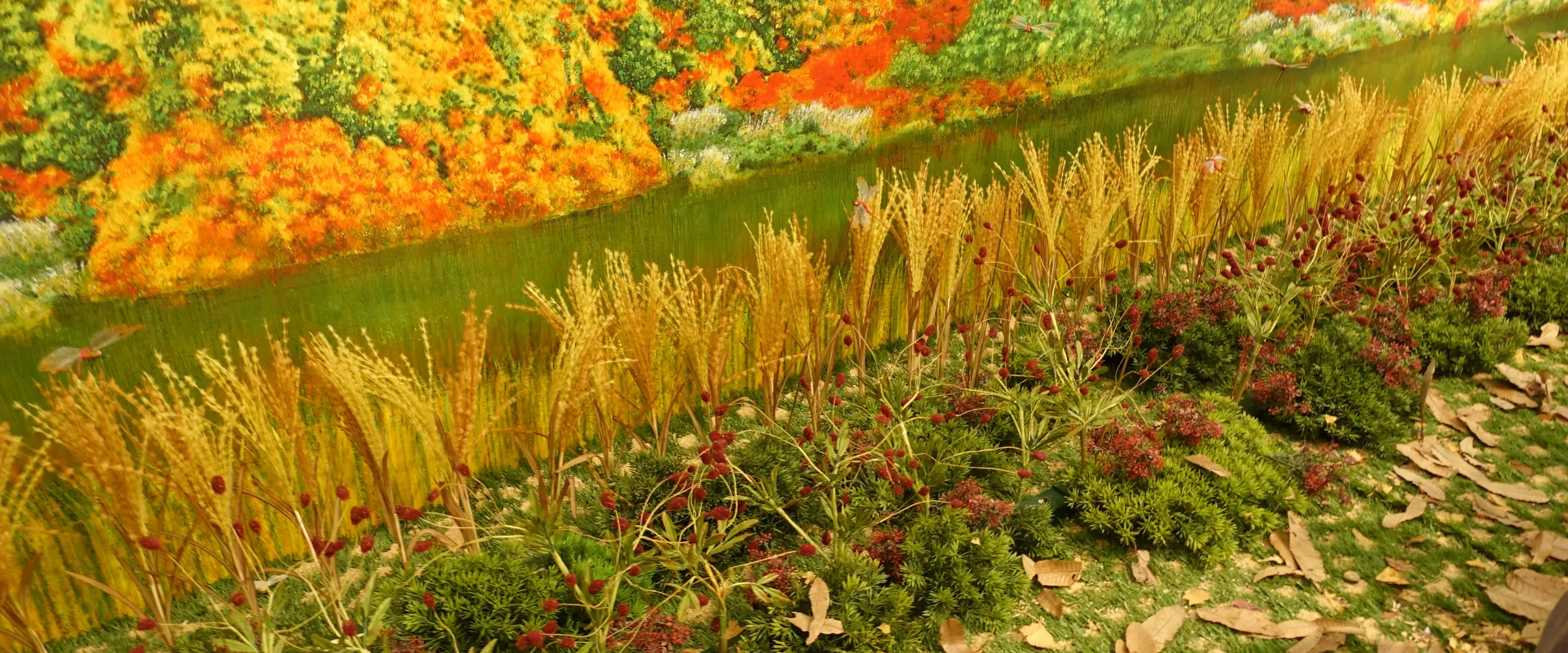
At exhibitions, the dolls are set among dioramas and backdrops of the four seasons made and supervised by the artist, Ishii Michiko. From the trees and houses, shrine and lotus pond of “Hometown,” about people living in the countryside, to the seaside life of “People of the Sea.” The dioramas are built at roughly one-quarter scale, so finely made to match the world of the works that they look real.
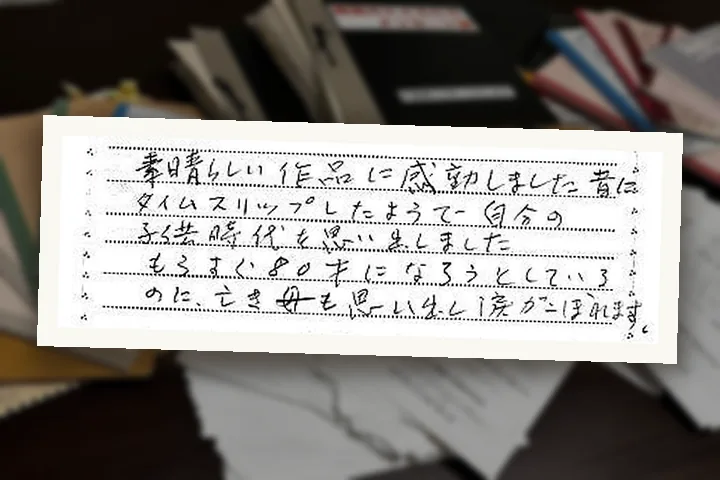
Visitors' voices
At the exhibitions, some visitors are moved to tears as they recall their own childhood or their mothers, while others chat with friends about the old days as they look at the dolls. Over the years, the letters of thanks and comments we have received would fill dozens of cardboard boxes. The images show some of the handwritten comments sent to us (in Japanese).
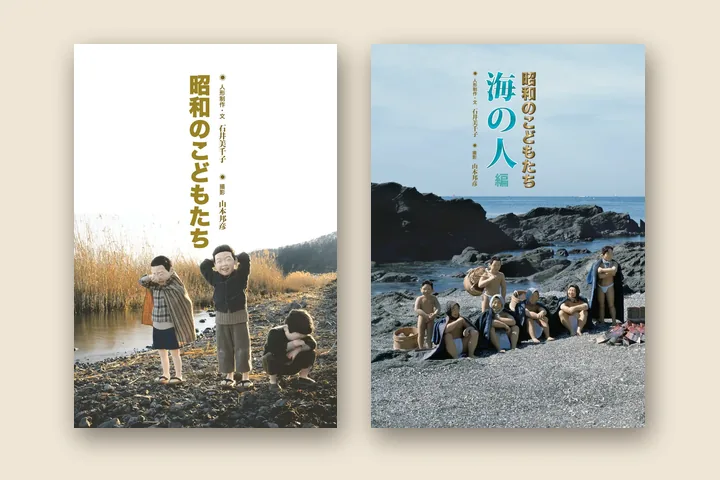
Carefully made photo books
“Photo Story: Showa no Kodomotachi” is a series of photo books of scenes from the Showa 30s, shot with the dolls placed in real locations and finished with high-definition printing. There are two volumes: “Hometown,” about people living in the countryside (62 pages), and “People of the Sea,” about people who live by the sea (68 pages, including four works on gatefold pages). Photography by Yamamoto Kunihiko. Each work comes with a short story written by Ishii Michiko.
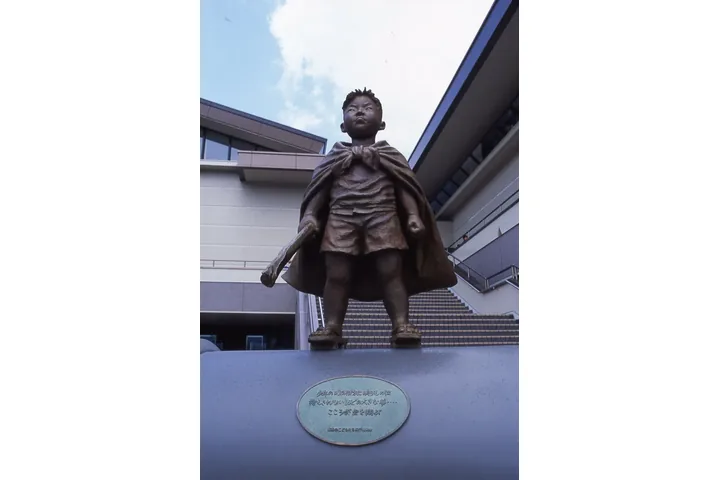
Bronze sculptures
Bronze sculptures based on the dolls stand at public facilities and other places. The works made in bronze are “Crybaby (Nakimushi),” “The Quarrel (Kenka),” “Who Goes Farthest? (Tobashikko),” “Peeking Between the Legs (Matanozoki)” and “Little Rascal (Wanpaku).” In places where local people come and go, the bronze children quietly bring a sense of nostalgia to those who see them. They come in life size and one-quarter scale, and are made to order.
 Newspaper
In the media
Whenever exhibitions were held, the works were widely covered by newspapers across Japan and featured on TV news. They have appeared in magazines such as “Ginka,” “Seiryu” and “Serai,” including on a magazine cover. They have also been introduced on radio programs and in web articles, and featured in live TV broadcasts. They were used in a TV commercial for Iwatani Corporation, and once appeared in hanging advertisements inside Kintetsu trains.
How it works
Like art rental, this service changes the works on your walls every month. We send photos of the Showa no Kodomotachi dolls as photo panels in wooden frames. Even where there is no room for dolls, you can hang scenes of the Showa era on the wall. Hang several together and you have a small gallery.
PHOTO PANELS
We send the panels by post, and your facility hangs them
01Preparation
Us
Lending tripods
If requested; extra charge
Your facility
A place to hang them
They take up little space, so they also suit private and special rooms.
02Every month
Us
Sending the photo panels
We send replacements by post every month. Shipping is charged separately, both for delivery and for return.
Your facility
Displaying the panels you receive
Hang them on the wall or stand them on tripods. Each panel is 70 cm × 60 cm, weighs about 3.5 kg and has a cord on the back for hanging.
Changing the panels each month
Returning the previous month's panels
Shipping is charged separately.
03During the contract
Us
Insurance against accidental damage
Included in the fee.
Examples of where the panels can go
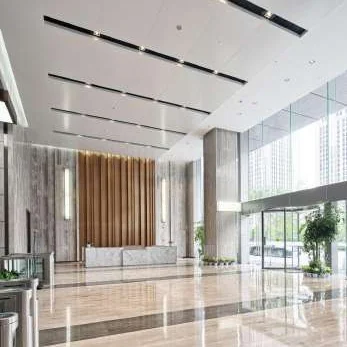 Companies
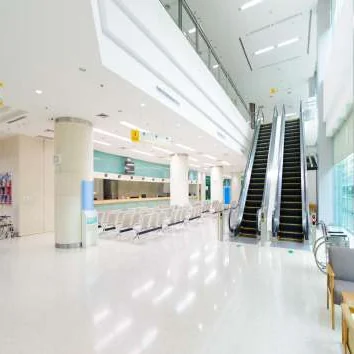 Hospitals and clinics
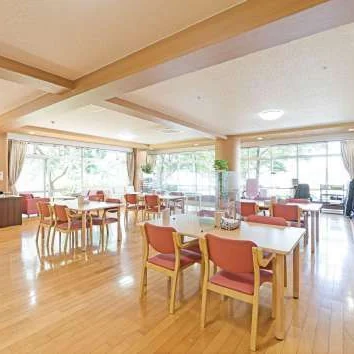 Senior care facilities
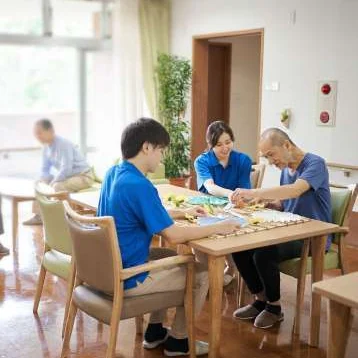 Day care services
 Public facilities
 Children's homes
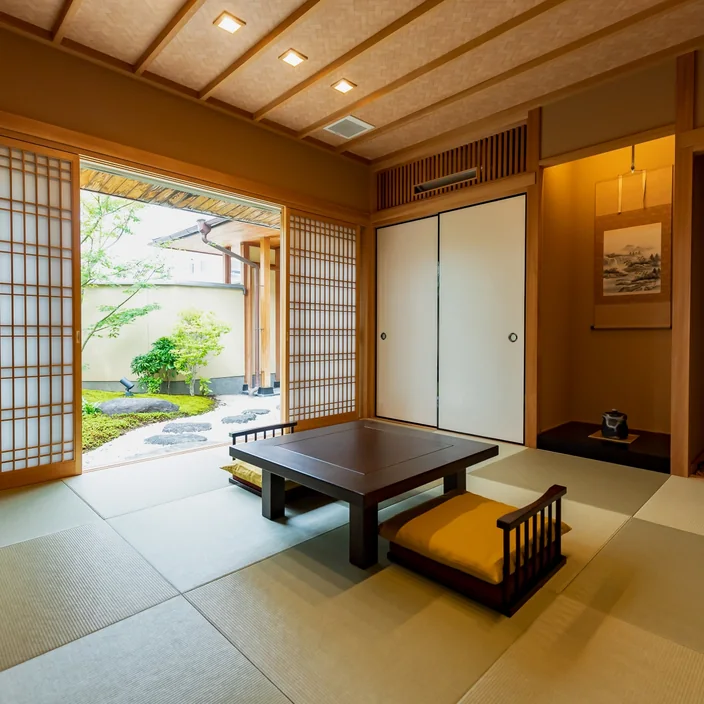 Hotels and ryokan inns
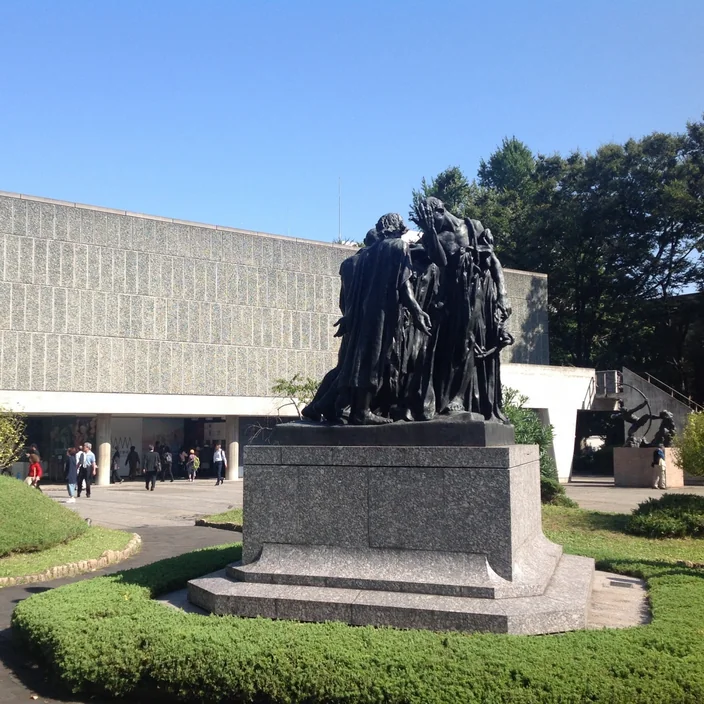 Art museums
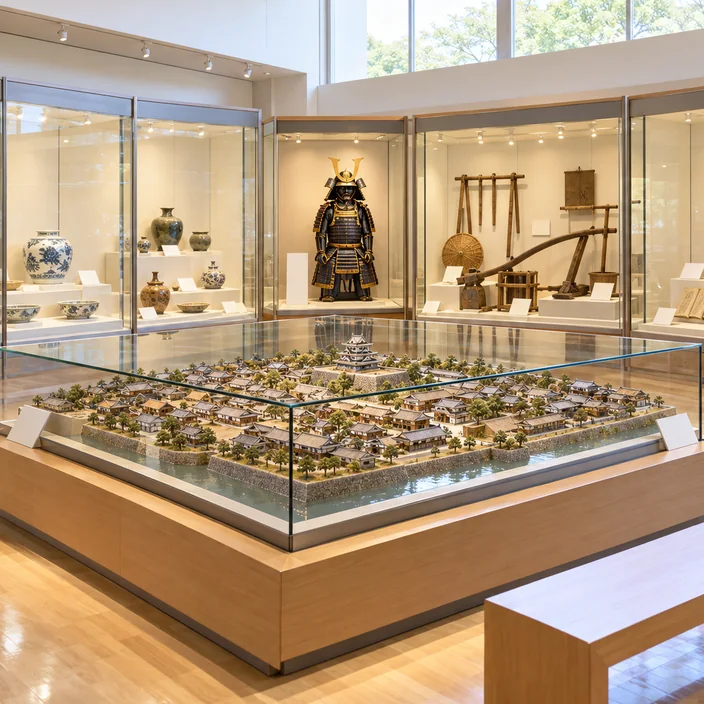 History museums
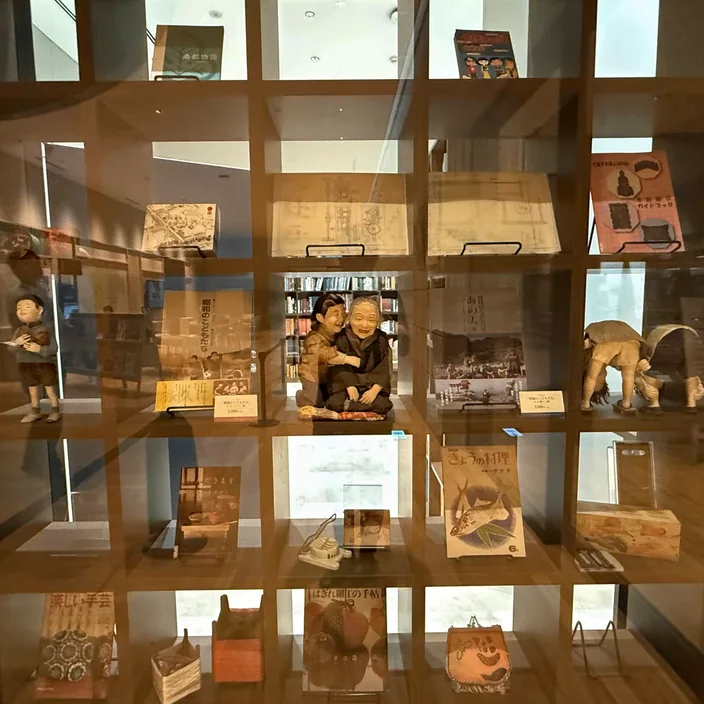 Local history museums
Photos are for illustration. Some show exhibitions.
Quality
You can also enjoy Showa no Kodomotachi as photo panels.
The photos were taken with the dolls placed in real locations. Shown here is an image of “Helping with Rice Planting (Taue Tetsudai),” photographed in a rice field, made into a photo panel.
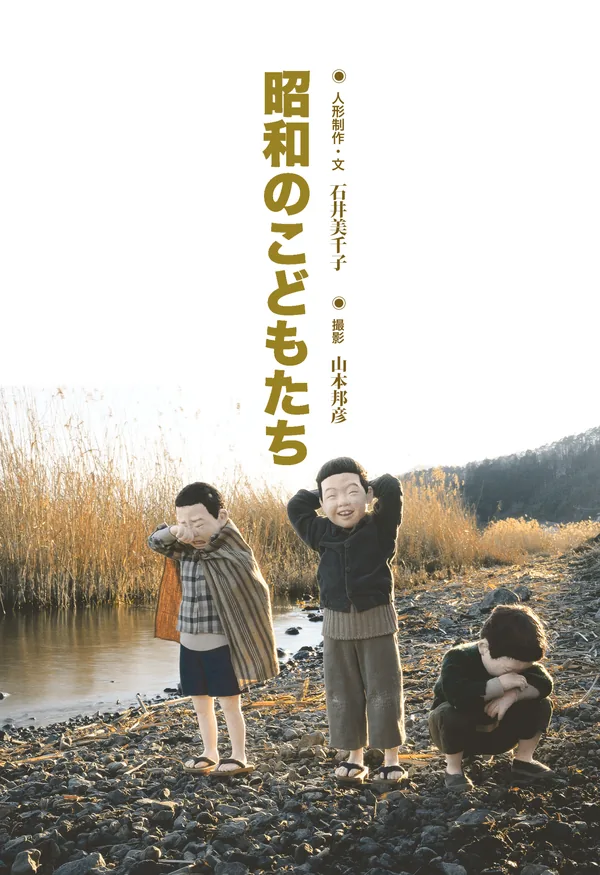
Series total200,000 copies
The photo book series “Photo Story: Showa no Kodomotachi” (Hometown and People of the Sea) took years to complete. Its photos are made into photo panels 70 cm × 60 cm in size.
The photos are finished with high-definition printing and delivered in wooden frames. The surface is acrylic.
Gallery
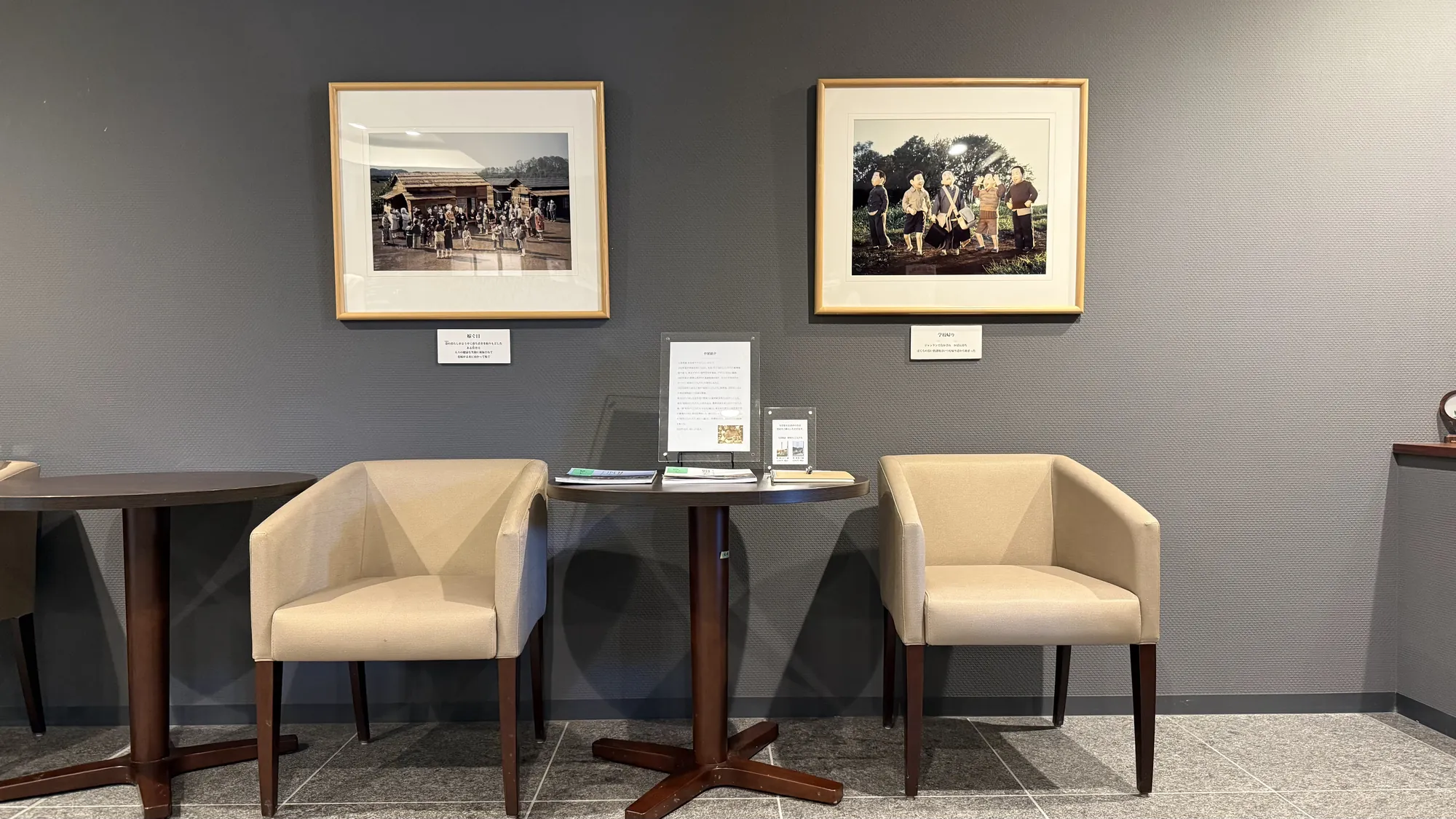
Hang them in a row on the wall, or line them up on tripods along a passage. They can be displayed to suit the space.
The photos show photo panels (some are images made from photos of the works) and venues where photo panels have been displayed (including exhibitions and touring displays).
Tripod rental and panorama panels are charged separately.
Ideas
Photo panels simply hang on the wall and take up no floor space. Here are some ways to use them in your facility.
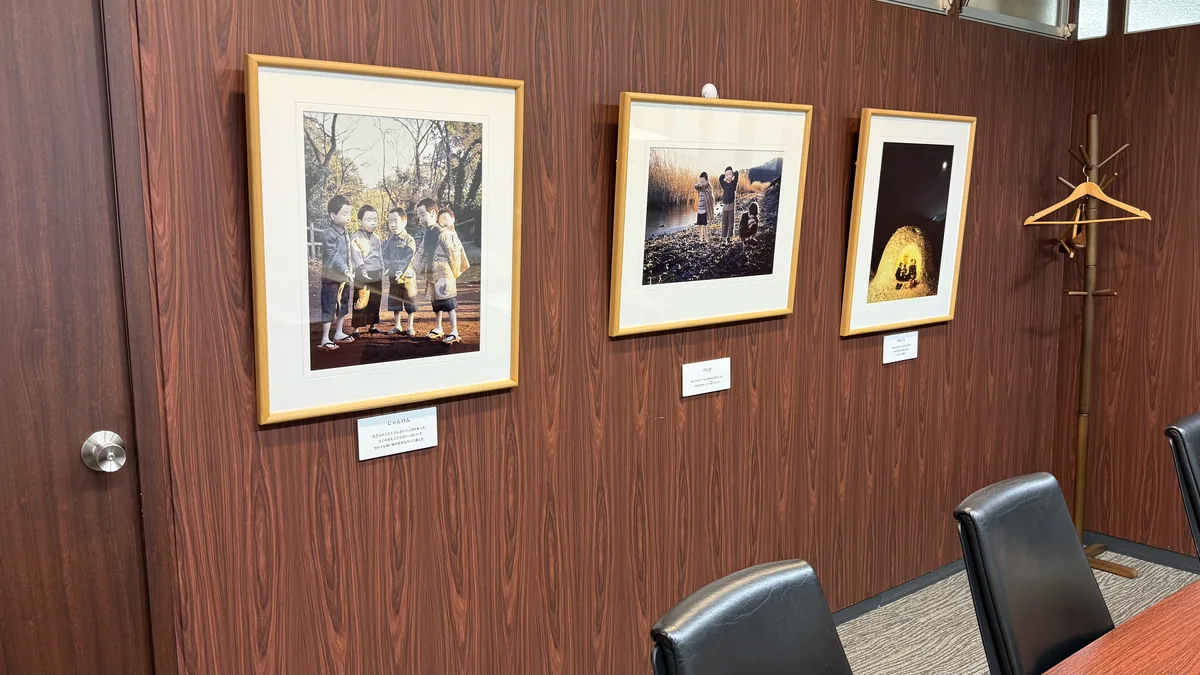
A scene of the Showa era for the room where a patient spends their stay. In places used by one person, such as private or special rooms, it adds a special touch.
Your staff can swap the panels we send between special rooms every week, so the scene on the wall changes even within the same month.
Hang several together for a mini gallery of the Showa era, without taking up space.
Your facility hangs and changes the panels. We deliver and replace the photo panels by post every month.
Photo panels have a monthly fee based on the number of panels. The fee includes insurance against accidental damage. Shipping is charged separately, both for delivery and for return.
PRICE
Per panel, monthly¥10,000(excl. tax)
¥11,000 incl. taxMinimum 3 panels per contract
SPEC
Even where there is no room for dolls, you can hang scenes of the Showa era on the wall. Hang several together and you have a small gallery.
PREMIUM PANELSPremium Panels (Panorama)
Wide photo panels, 143 cm wide × 60 cm high. There are four works: “Eternal Prayer,” “The Diver's Rest,” “Afternoon on the Shore” and “Hauling In the Divers' Boat.” If you have a contract for photo panels (70 cm × 60 cm), you can add them for ¥30,000 a month per panel (excl. tax; ¥33,000 incl. tax). Premium panels are delivered by post.
Flow
01
Meeting
We explain the service online or in person. When we visit, we can also bring a real photo panel with us.
02
Contract
After we agree on terms such as the changeover date, we sign a lease contract. The contract can be signed online, so there is no need to mail documents (other methods are also available).
03
First delivery
From the first month, we send the photo panels by post. Your facility hangs them.
04
A new display every month
We send new panels by post every month, so please return the previous month's panels (shipping is charged separately, both for delivery and for return).
The minimum contract term is 6 months. To cancel, please let us know by the end of the month two months before the month you wish to cancel (for example, to cancel at the end of March, let us know by the end of January).
It is ¥10,000 a month per panel (excl. tax; ¥11,000 incl. tax), from 3 panels (3 panels: ¥30,000 a month excl. tax, ¥33,000 incl. tax). When combined with the Monthly Rotating Doll Display, you can start from 1 panel. Panorama panels are ¥30,000 a month per panel (excl. tax; ¥33,000 incl. tax). The fee includes insurance in case a work is accidentally damaged. Shipping is charged separately, both for delivery and for return.
Instead of paintings, you display photo panels of the Showa no Kodomotachi dolls by doll artist Ishii Michiko. With this service, we send replacement panels by post every month, and your facility changes them.
The minimum term is 6 months.
Yes. Photo panels are delivered by post.
Please provide a place to hang the photo panels. They can be hung on the wall or displayed on tripods (we lend tripods for an extra charge). Each panel is 70 cm × 60 cm, weighs about 3.5 kg and has a cord on the back for hanging.
The minimum contract term is 6 months. To cancel, please let us know by the end of the month two months before the month you wish to cancel (for example, to cancel at the end of March, let us know by the end of January).
From 3 panels, chosen from 60 works. Delivered by post.
Request a presentationContact
We explain the service online or in person. When we visit, we can also bring a real photo panel with us. Send us the form below and we will contact you.
We have received your request.
We will review it and contact you.
Requests made on Saturdays, Sundays, public holidays and during the New Year holidays will be handled on the next business day or later.
If you do not hear from us within a few days, please contact us by phone.
You can also contact us by phone:+81-428-26-2592